

Have you ever wrapped up a full day of work and still felt like nothing truly meaningful got done? You’re not alone. This experience clearly highlights the importance of time management. It is rarely a matter of lacking effort. More often, it comes down to how that effort is directed. Many people stay busy throughout the day, constantly checking off tasks, yet make little real progress toward their bigger goals.
This happens because we slip into reactive work mode, responding to whatever feels urgent instead of prioritizing what actually matters. It is not about being lazy or unorganized. It is about losing control of where your time goes. Recognizing this pattern is the first step toward understanding the importance of time management and making more intentional decisions about how you spend your day.
Once you understand this, you’ll not only become more productive, but you’ll feel more in control, experience less stress, and have the ability to move toward the life you want.
You can listen to this blog here.
What Is Time Management?
Time management is not about controlling every minute of the workday or turning employees into productivity machines. From a manager or employer’s perspective, it is about ensuring that time and effort are aligned with business priorities and meaningful outcomes. This alignment clearly reflects the importance of time management in driving purposeful work rather than just activity.
In most organizations, teams are constantly balancing meetings, deadlines, and shifting priorities. Managers often see their employees fully occupied, yet key objectives may still lag behind. The real challenge is not a lack of effort but a lack of focus on what truly moves the business forward. This is where the importance of time management becomes critical, helping leaders guide their teams toward high-impact work instead of reactive task handling.
When time is managed effectively across a team, the benefits extend beyond output. It leads to clearer decision-making, reduced workplace stress, stronger collaboration, and more engaged employees who feel their work actually matters. For employers, this translates into a more focused, productive, and resilient organization.
The Psychology Behind Time Management

Time management is easier when you recognize the psychological patterns behind your behavior. Because the truth is, poor time management is rarely about bad scheduling; it’s about how your brain is wired.
Your brain is hardwired to prioritize urgent tasks. If something feels pressing, like a new email, an incoming phone call, or a sudden request, your brain releases dopamine, creating a sense of urgency. This is where time management becomes critical in controlling reactions.
We often believe we’re time-poor when, in fact, we’re actually attention-poor. We mismanage our time by reacting to the loudest demands instead of focusing on the most important goals. Recognizing this highlights why time management is important in modern life.
1. Focus on Outcome-Oriented Goals
One of the most effective changes you can make is shifting from a task-completion mindset to an outcome-oriented mindset. This shift directly reflects the importance of time management.
Instead of asking yourself what you need to do today, ask what result you are trying to achieve this week. This perspective strengthens time management by aligning actions with goals.
Start by defining your long-term vision, then work backward to identify smaller, actionable steps. Frameworks like SMART goals enhance your time management skills and make your plans measurable.
Breaking down your big goals into smaller daily tasks makes it easier to stay motivated. The sense of accomplishment from completing these tasks reinforces the importance of time management.
2. Break Tasks Into Smaller Chunks
Procrastination often stems from feeling overwhelmed. The importance of time management lies in simplifying complexity.
When you break a task down into smaller, actionable steps, it becomes easier to start. Techniques like the Pomodoro, time blocking support the importance of time management by making work structured and manageable.
Begin by identifying the most important step and tackle that first. To monitor your progress, use a checklist. This method strengthens the importance of time management by building consistency.
3. Understand Cognitive Biases
The importance of time management is deeply connected to how your brain values time.
Temporal discounting explains why future rewards feel less important. Recognizing this improves your time management skills and decision-making ability.
Parkinson’s Law also demonstrates the importance of time management. Tasks expand to fill the time available. Setting shorter deadlines increases efficiency.
Using prioritization frameworks is one of the most practical time management tips for distinguishing between urgent and important tasks.
How to Implement Time Management in Your Life

Understanding the importance of time management is only the beginning.
1. Conduct a Weekly Review
A weekly review reinforces the importance of time management by helping you reflect and adjust.
- Audit your past week.
- Identify time-wasting activities
- Set clear priorities
- Revisit long-term goals
- Adjust your schedule
This habit ensures that the importance of time management translates into action.
2. Time Blocking
Time blocking is one of the clearest demonstrations of the importance of time management.
A to-do list tells you what to do, but time blocking tells you when to do it. This structure strengthens the importance of time management in daily planning.
- Schedule deep work sessions.
- Protect focus time
- Include buffer periods
Following this approach makes the importance of time management visible in your routine.
3. Automate Repetitive Tasks
Automation reflects the importance of time management by reducing unnecessary effort.
Use tools to handle routine tasks so you can focus on meaningful work. This approach highlights the importance of time management in maximizing efficiency.
Common Mistakes in Time Management

Good intentions don’t always translate to perfectly managed days. Don’t let these common mistakes derail your momentum:
- Misjudging how long tasks take: We tend to underestimate task duration. Track how long tasks actually take, then use this data to adjust future planning.
- Confusing urgency with importance: Urgent tasks may feel productive, but they’re not always important. Learn to distinguish between the two to make more meaningful progress.
- Multitasking: Switching between tasks may seem efficient, but research shows it costs more time than it saves. Stick to one task at a time for better results.
- Failing to revisit goals: Life changes, and so should your goals. Regularly reassess your goals to ensure they’re aligned with your current priorities.
Advanced Insights Into Time Management
As modern workplaces evolve, time management is no longer just about planning your day. It is about optimizing how individuals and teams operate within increasingly dynamic environments. For managers and organizations, this means going beyond basic scheduling and adopting smarter, data-driven approaches to how time is used.
Here are the 5 most impactful advanced time management insights from the list, especially from a manager and organizational perspective:
Embrace Hybrid Work Flexibility
Create structured routines that protect deep work while allowing flexibility. Focus on outcomes rather than hours to maintain productivity in distributed teams.
Leverage AI Scheduling Tools
Tools like Clockwise help optimize calendars, reduce meeting overload, and protect uninterrupted focus time across teams.
Adopt Time Auditing and Analytics
Use data to understand how time is actually spent. Identify inefficiencies like excessive meetings or low-value tasks and make informed improvements.
Reduce Context Switching
Encourage task batching and dedicated focus periods. Minimizing interruptions significantly improves efficiency and quality of work.
Build a Culture of Asynchronous Communication
Platforms like Slack or Microsoft Teams enable teams to communicate without constant disruptions, reducing unnecessary meetings and preserving deep work time.
These five create the strongest foundation for moving from basic time management to strategic, high-impact productivity.
Also Read
What Is Time Blocking & How To Use it?
How Web Based Time Tracking Boosts Productivity?
EmpCloud: Your Solution for Efficient Time Management Across the Workforce
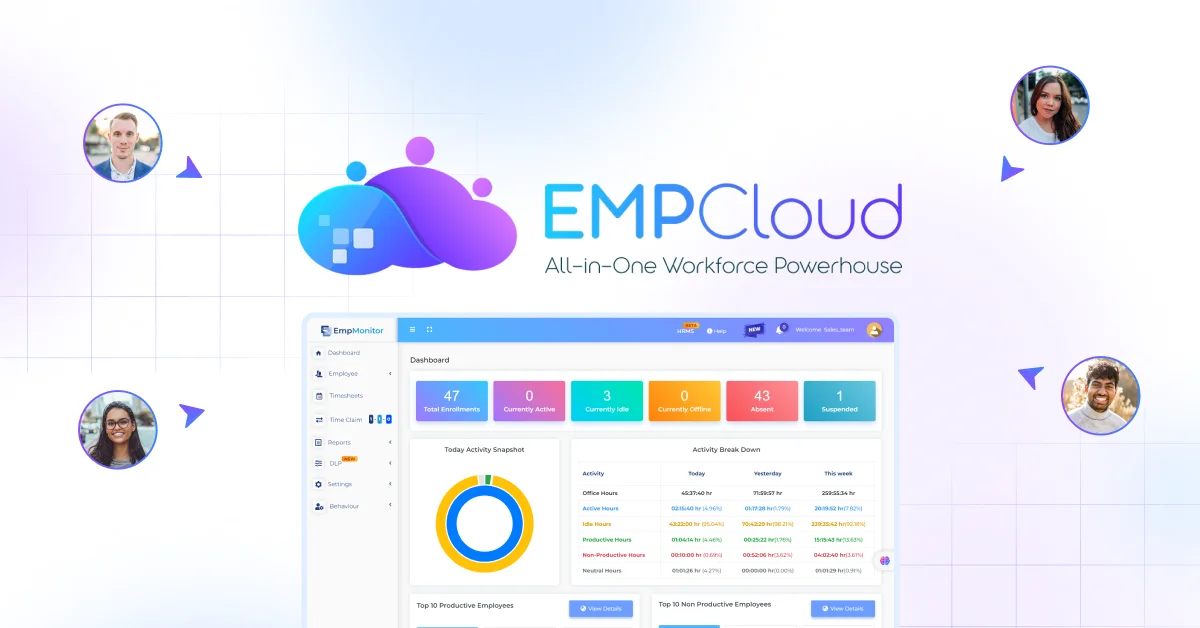
Effective time management isn’t just about tracking hours; it’s about optimizing how your team spends their time. EmpCloud provides the suite of tools you need to improve time management at every level of your organization. With features that help track productivity, streamline scheduling, and automate time-tracking, EmpCloud ensures your workforce is always performing at its best.
How EmpCloud Helps with Time Management:
- Real-Time Productivity Tracking
EmpCloud provides detailed, real-time insights into your team’s productivity, helping managers identify where time is being spent effectively and where improvements are needed. This proactive approach allows you to address inefficiencies and optimize work processes.
- Automated Time Tracking & Attendance
Manual time tracking can lead to errors and inefficiencies. EmpCloud’s automated time-tracking system ensures that employee hours are recorded accurately, freeing up time for HR and management teams to focus on more impactful tasks.
- Smart Scheduling
EmpCloud helps you optimize employee schedules, avoiding overwork or underutilization of staff. With easy-to-use scheduling tools, you can ensure that time is allocated efficiently across teams and that your workforce is always aligned with business needs.
- Efficient Leave Management
Managing employee time-off can be time-consuming. EmpCloud simplifies this with an automated leave tracking system, ensuring smooth approval processes and allowing you to maintain full control over team availability.
- Time-Blocking for Focused Work
EmpCloud’s project management feature makes it easy to assign tasks and organize work into clear time blocks. Managers can allocate specific time slots for each task, helping employees focus on one priority at a time instead of juggling multiple things. This structured approach keeps workloads balanced, prevents overburdening, and ensures that important tasks get the attention they need without overwhelming the team.
Why EmpCloud is a Time Management Game-Changer
EmpCloud is more than just a tool. It is a complete workforce management solution that brings everything into one place. From onboarding and attendance to time management, payroll, exit processes, performance tracking, and project management, EmpCloud provides a unified system to manage the entire employee lifecycle.
With real-time insights, automated workflows, and smart scheduling features, it helps managers understand how time is being spent and where improvements can be made. By connecting all these functions in one platform, EmpCloud reduces manual effort, minimizes scheduling conflicts, and ensures teams stay organized and focused. The result is better time management, smoother operations, and a more productive workforce.
Conclusion
Time management is one of those skills that quietly shapes everything you do at work. When it’s off, days feel busy but unproductive. When it’s right, you know exactly what needs your attention and why. A big part of improving it is understanding your own work patterns and making small changes like focusing on outcomes, breaking tasks into manageable steps, and setting aside dedicated time to complete them.
It’s not about putting in more hours or pushing harder. It’s about using your time with intention. Whether you’re leading a team or handling your own workload, clear priorities and simple systems can make a noticeable difference in how much you actually get done.
You don’t need to overhaul everything at once. Start with a few changes, see what works, and build from there. Tools like EmpCloud can support this by giving better visibility into how time is spent and helping teams stay organized without adding extra complexity.
Frequently Asked Questions
What are the key benefits of time management?
The importance of time management lies in helping you work with clarity and purpose. It reduces stress, improves focus, increases productivity, and creates a better balance between work and personal life.
Why is time management important?
Time management is important because it allows you to take control of your day instead of reacting to it. It helps you prioritize meaningful tasks, meet deadlines consistently, and make steady progress toward your goals.
How can I improve my time management skills?
Start by tracking how you spend your time to identify gaps or distractions. Then set clear priorities, plan your day in advance, and use simple methods like time blocking or task lists to stay organized and focused.
What is the most effective time management technique?
There is no single best method, but time blocking and prioritization are widely effective. They help you dedicate focused time to important tasks and ensure your efforts are aligned with your goals.
Quick Search Our Blogs
Type in keywords and get instant access to related blog posts.