The workplace is evolving faster than ever. Remote teams, hybrid offices, AI-driven tools, employee wellbeing programs, and compliance complexities have completely transformed how companies operate. At the center of this shift is hr management.
Gone are the days when HR was limited to payroll processing and maintaining employee files. Today, it plays a strategic role in talent acquisition, performance optimization, employee engagement, workforce analytics, and business growth. Companies that invest in modern HR management practices are seeing higher retention, better productivity, and stronger company culture.
In 2026 and beyond, organizations are moving away from manual processes and spreadsheets. Instead, they are adopting integrated HR management software and intelligent automation systems to streamline operations. These tools are not just about efficiency. They are about creating better employee experiences and data-driven decision-making.
You can listen to this Blog here.
The Rise of Data-Driven HR Decision Making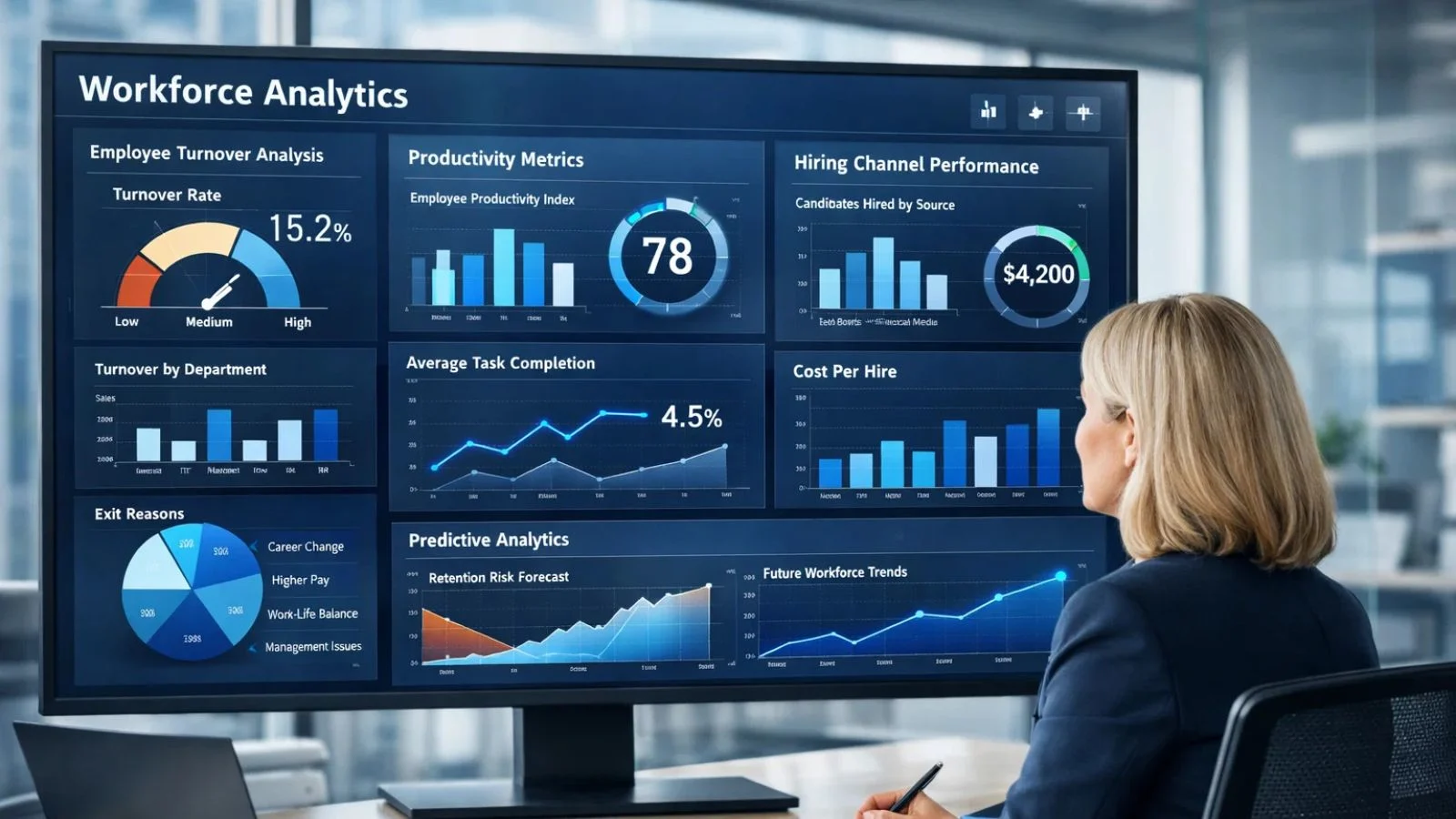
Modern HR management is no longer based on intuition alone. It is driven by data.
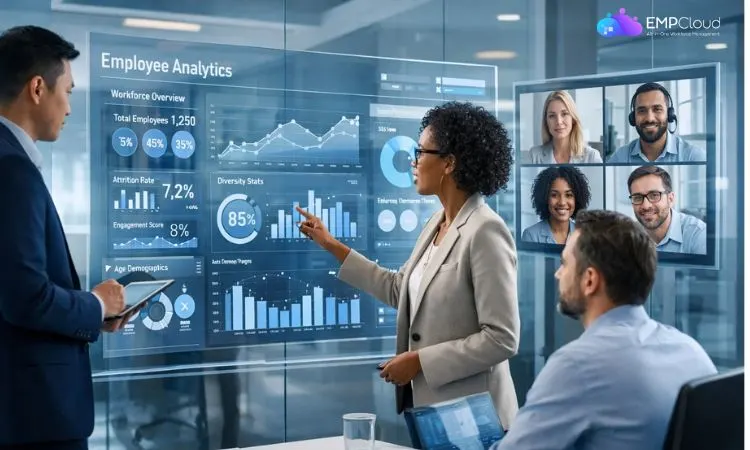
From tracking employee performance metrics to analyzing attrition rates, organizations now rely heavily on analytics to make informed decisions. A powerful hr management system collects and organizes workforce data in one centralized dashboard. This allows HR leaders to identify patterns, predict workforce needs, and reduce costly hiring mistakes.
For example, predictive analytics can help determine:
- Which departments are at risk of high turnover
- What training programs improve productivity
- Which hiring channels bring the best long-term talent
This shift toward data-backed decisions has led to the rapid adoption of hr management system software that integrates attendance tracking, payroll, performance evaluation, and compliance reporting into one platform.
Companies using advanced HR management software gain better visibility into employee behavior and productivity trends. Instead of reacting to problems, HR teams can now proactively address challenges before they escalate.
As workplaces become more competitive, businesses that leverage data in their HR management strategy will have a clear advantage.
AI and Automation in HR Processes
Artificial intelligence is no longer a futuristic concept. It is actively transforming HR management across industries.
From resume screening to employee engagement analysis, AI-powered tools are helping HR teams reduce manual workload and focus on strategic initiatives. Traditional processes like sorting resumes, scheduling interviews, and answering repetitive employee queries can now be automated through intelligent systems.
Modern HR management software uses AI to:
- Automatically shortlist candidates based on skill matching
- Analyze employee performance trends
- Detect attendance irregularities
- Identify early signs of disengagement
- Automate payroll calculations and compliance checks
This level of automation significantly reduces human error while improving efficiency. More importantly, it allows HR professionals to dedicate time to culture building, leadership development, and employee satisfaction rather than administrative tasks.
An advanced HR management system also integrates chatbots that handle leave requests, policy questions, and onboarding support. Employees get instant responses, which improves overall workplace experience.
Another major advantage of HR management system software powered by AI is predictive workforce efficiency. Businesses can forecast hiring needs, budget allocations, and skill gaps before they become urgent problems.
Companies adopting AI-driven HR management are not replacing human decision-making. Instead, they are enhancing it with smarter insights and faster execution.
As automation becomes more sophisticated, organizations that fail to modernize their HR processes risk falling behind in both efficiency and employee satisfaction.
Hybrid Work and Remote Workforce Management
The shift to hybrid and remote work is one of the most significant changes influencing HR management today.
What started as a temporary adjustment has now become a permanent workplace model for many organizations. Employees expect flexibility, and companies are restructuring policies to support distributed teams. This transformation requires a smarter approach to HR management that goes beyond physical office monitoring.
Managing a hybrid workforce presents several challenges:
- Tracking attendance across locations
- Measuring productivity without micromanaging
- Ensuring data security and compliance
- Maintaining company culture remotely
- Supporting employee wellbeing
A centralized HR management system helps organizations address these challenges by providing real-time visibility into workforce activities. With cloud-based hr management software, HR teams can monitor attendance, manage leave requests, track performance metrics, and generate reports regardless of where employees are located.
Employee Experience as a Core Strategy
One of the biggest HR management trends today is prioritizing employee experience.
HR is no longer just about policies and compliance. It is about creating a workplace where employees feel valued, heard, and motivated. A modern human resources software development approach can support these goals with integrated digital tools. Companies now understand that better engagement leads to higher retention and productivity.
Modern HR management focuses on:
- Continuous feedback instead of annual reviews
- Personalized learning and development plans
- Recognition and reward systems
- Mental health and well-being support
A strong HR management system helps track engagement metrics, survey feedback, and performance insights in one place. With the right HR management software, HR teams can identify dissatisfaction early and take corrective action before it impacts morale.
Businesses that treat employee experience as a strategic priority rather than a checklist task are seeing measurable improvements in performance and loyalty.
HR Compliance and Data Security Take Center Stage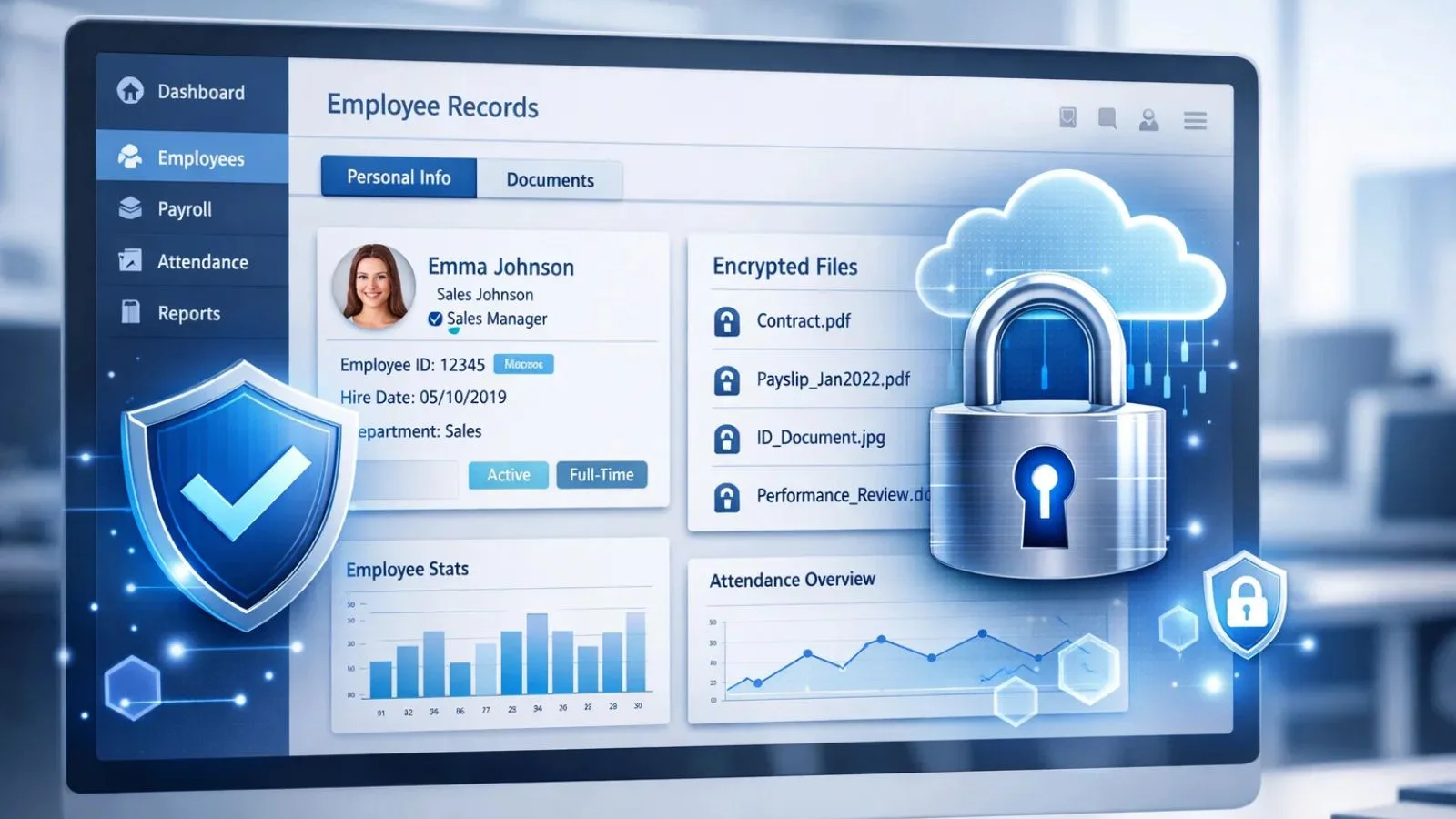
As regulations grow stricter, compliance has become a critical part of HR management.
Organizations must manage employee data, payroll records, tax filings, labor laws, and workplace policies accurately. Even small compliance errors can lead to legal penalties and reputational damage.
This is why many companies are moving toward a structured HR management system software that automates documentation, reporting, and statutory requirements. Instead of tracking everything manually, businesses rely on digital records that are secure, searchable, and audit-ready.
Data security is equally important. Employee information includes sensitive details such as salary data, identification numbers, and performance records. A cloud-based hr management system with encrypted storage and role-based access ensures that only authorized personnel can view confidential data.
Among the key HR management trends, compliance automation is rising fast because it reduces risk and improves operational confidence.
Companies that invest in secure HR management software not only protect their workforce data but also build trust internally and externally.
Integrated HR Systems and the Role of EmpCloud
One of the most practical shifts in HR management is system integration.
HR no longer works in isolation. It connects with finance, operations, IT, and leadership. Disconnected tools create data silos, manual errors, and reporting delays. That is why businesses are adopting unified HR management software that integrates payroll, attendance, performance, and analytics in one platform.
An efficient hr management system eliminates repetitive tasks and provides leadership with real-time workforce insights. Instead of switching between multiple tools, HR teams get a centralized dashboard to manage employee data, approvals, and compliance reporting.
This is where EmpCloud stands out.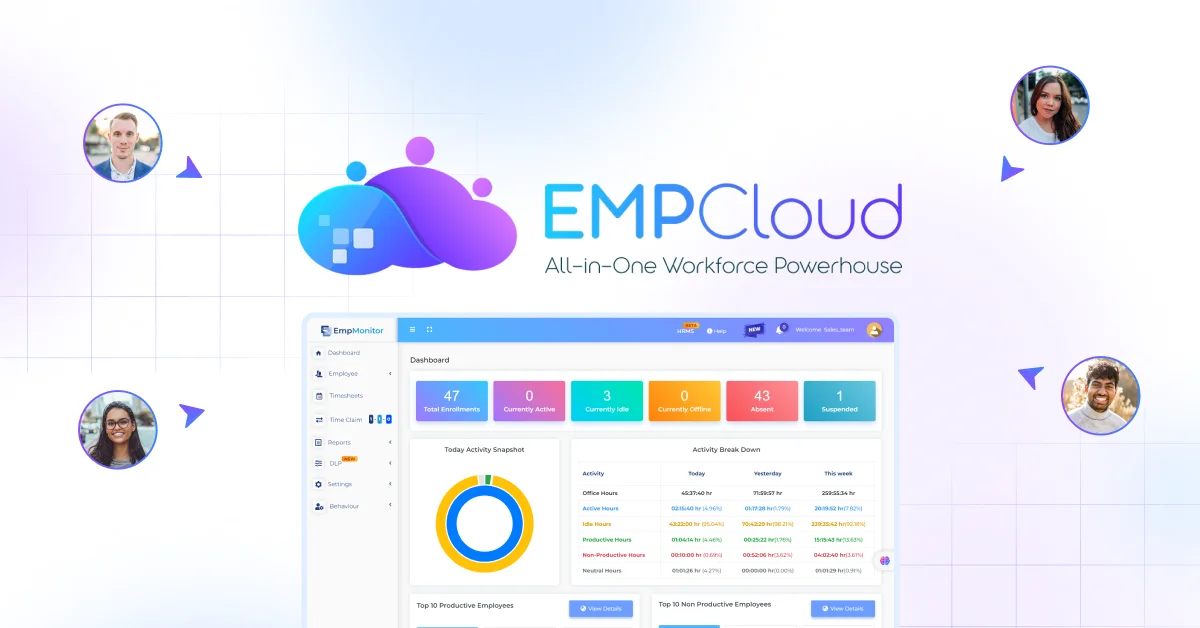
EmpCloud is a smart hr management system software designed for modern businesses. It streamlines core HR functions such as attendance tracking, payroll processing, employee performance monitoring, and workforce analytics. With cloud-based accessibility, HR managers can manage operations from anywhere while maintaining full visibility.
What makes EmpCloud valuable is:
- Automated payroll and compliance tracking
- Real-time employee activity insights
- Centralized employee records
- Easy scalability for growing teams
- Secure, role-based data access
For organizations looking to upgrade their HR management processes without complexity, EmpCloud offers a structured and scalable solution.
As companies aim for efficiency and smarter workforce control, integrated HR platforms are no longer optional. They are essential.
The Future of HR Management
The future of HR management is strategic, tech-driven, and employee-focused.
Over the next few years, we can expect automation to become more intelligent, analytics more predictive, and HR roles more consultative. Instead of being seen as an administrative department, HR will continue evolving into a business growth partner.
Some emerging hr management trends shaping the future include:
- AI-powered workforce planning
- Skill-based hiring over degree-based hiring
- Continuous performance tracking instead of annual reviews
- Personalized employee development paths
- Stronger focus on diversity, equity, and inclusion
We will also see greater adoption of advanced HR management system software that integrates AI, analytics, and automation into everyday operations. These platforms will not just record data but actively recommend decisions based on patterns and insights.
Another major shift will be experience-driven HR. Employees now expect seamless digital processes, from onboarding to promotions. A modern HR management system must deliver the same level of convenience that employees experience in consumer apps.
Businesses that proactively adopt scalable HR management software will stay competitive in attracting and retaining top talent.
Upskilling and Continuous Learning Culture
A major shift in modern HR management is the focus on continuous skill development.
The workplace is changing rapidly due to automation, AI, and evolving market demands. Companies can no longer rely on static skill sets. Instead, they must invest in ongoing learning programs.
Forward-thinking HR management strategies now include:
- Internal training platforms
- Cross-functional skill development
- Leadership grooming programs
- Digital certification tracking
An advanced HR management system helps track employee learning progress, certifications, and performance improvement metrics. Instead of guessing whether training works, HR teams can measure its impact through analytics.
Businesses that prioritize upskilling are not just preparing employees for current roles but future opportunities as well.
Performance Management is Becoming Continuous
Traditional annual appraisals are fading.
One of the strongest HR management trends today is real-time performance tracking. Companies are replacing yearly evaluations with continuous feedback systems.
Modern HR management software allows managers to:
- Set quarterly or monthly goals
- Monitor KPIs in real time
- Provide instant feedback
- Document achievements and improvement areas
This approach improves transparency and reduces performance-related conflicts. Employees know exactly where they stand and what is expected.
A structured HR management system software ensures that performance data is documented objectively, reducing bias and improving fairness in promotions and compensation decisions.
Continuous performance management leads to higher engagement and better accountability across teams.
Employee Wellbeing and Mental Health Support
Employee well-being is no longer optional. It is a business priority.
Modern HR management now includes mental health initiatives, flexible policies, and burnout prevention strategies. Organizations understand that stressed employees cannot perform at their best.
HR teams are implementing:
- Flexible work schedules
- Wellness allowances
- Employee assistance programs
- Mental health days
- Burnout tracking indicators
A smart HR management system helps monitor absenteeism patterns and workload distribution. These insights allow HR leaders to identify early signs of burnout.
Among all HR management trends, well-being investment directly impacts retention rates and employer branding.
When employees feel supported, productivity naturally improves.
Diversity, Equity, and Inclusion as a Measurable Goal
Diversity is no longer just a corporate value statement. It is measurable and trackable.
Strategic HR management now includes diversity analytics, equitable pay structures, and inclusive hiring practices. Companies are using HR management software to track demographic data, promotion rates, and pay equity metrics.
An integrated HR management system provides reporting tools that help leadership identify gaps and take corrective action.
Inclusive workplaces:
- Attract wider talent pools
- Improve innovation
- Enhance team collaboration
- Strengthen the company’s reputation
Data-backed diversity initiatives are becoming a long-term competitive advantage.
Workforce Analytics and Predictive Planning
Workforce planning has evolved significantly.
Modern HR management uses predictive analytics to forecast hiring needs, skill shortages, and attrition risks. Instead of reacting to employee exits, HR teams can anticipate trends.
With an advanced HR management system software, businesses can:
- Analyze turnover patterns
- Identify high-risk departments
- Forecast future staffing costs
- Align hiring with business growth goals
Workforce analytics transforms HR from reactive to proactive. It connects talent strategy directly with revenue and operational planning.
Companies that leverage analytics-driven HR management are better positioned to scale efficiently.
Also Read,
How To Improve Workforce Efficiency With Employee GPS Tracking?
Conclusion
The workplace is undergoing a massive transformation, and HR management sits at the center of it.
From AI-driven automation and hybrid workforce strategies to employee wellbeing, continuous performance tracking, and predictive analytics, modern HR is no longer administrative. It is strategic. Organizations that embrace evolving HR management trends are building more agile, productive, and employee-centric workplaces.
Technology is the backbone of this transformation. A structured HR management system enables businesses to streamline payroll, attendance, compliance, and performance tracking while maintaining data security. Instead of juggling spreadsheets and disconnected tools, companies can rely on integrated HR management software to gain real-time visibility and make informed decisions.
FAQ’s
1. Why are HR management trends important for businesses?
HR management trends help organizations stay competitive by improving employee experience, increasing efficiency, and aligning workforce strategy with business goals. Companies that adapt to these trends often see better retention and productivity.
2. What is an HR management system?
An HR management system is a digital platform that centralizes employee data and automates HR processes such as payroll, attendance, leave management, compliance tracking, and performance monitoring.
3. How does HR management software improve efficiency?
HR management software reduces manual tasks, minimizes errors, automates reporting, and provides real-time insights. This allows HR teams to focus more on strategy and employee development rather than administrative work.
Quick Search Our Blogs
Type in keywords and get instant access to related blog posts.