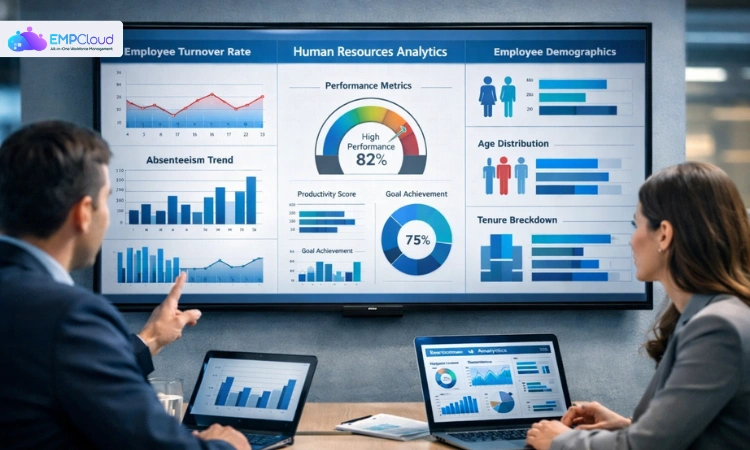
Human resources analytics is not just something large enterprises invest in anymore. It has become essential for any organization that wants real visibility into how its people are performing, where challenges are emerging, and how decisions are affecting long-term growth.
Almost every company already gathers employee information. Attendance records. Performance evaluations. Leave balances. Compensation details. Recruitment data. The data exists, often in abundance. The real challenge is making sense of it in a structured and meaningful way. Collecting numbers is easy. Understanding what they are actually telling you about behavior, risk, and opportunity is much harder.
That is where human resources analytics truly makes a difference.
When applied thoughtfully, it shifts decision-making from reactive to intentional. Instead of responding to problems after they surface, leaders can spot patterns early, ask better questions, and act with greater confidence. And when all that workforce data is organized within a single platform like EmpCloud, the process feels clear, connected, and manageable rather than overwhelming.
Now let’s look at how it actually works and why it matters in everyday business decisions.
Read Aloud!
What Is Human Resources Analytics?
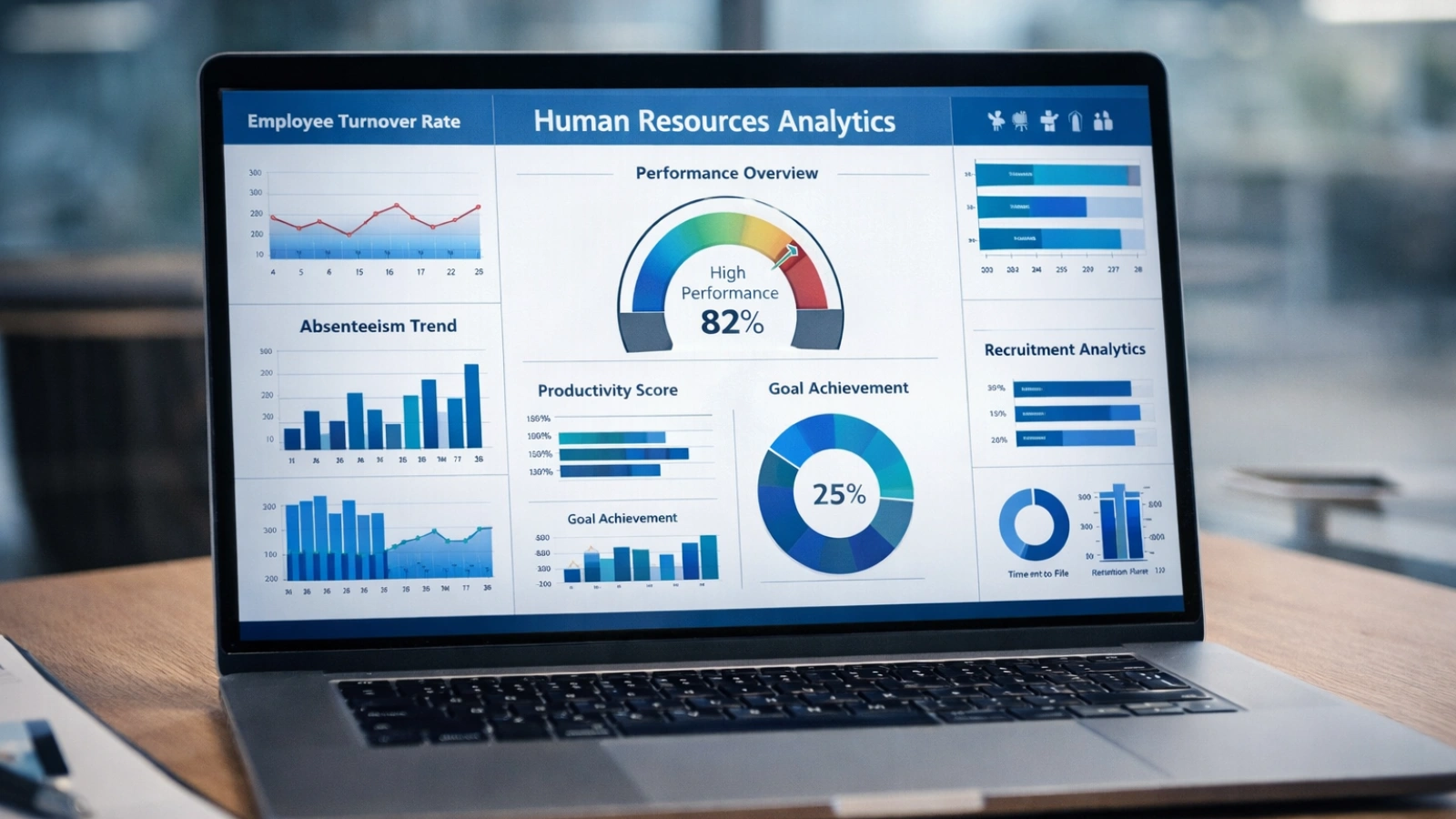
At its core, human resources analytics is the structured analysis of workforce data to improve business decisions. If you are wondering what human resource analytics is in simple terms, think of it as using employee information to answer real questions such as:
- Why are certain teams experiencing higher turnover?
- Which departments have rising absenteeism?
- Are performance ratings aligned with productivity?
- Where are we overspending on overtime?
Human resource analytics moves beyond surface-level reporting. It connects patterns in employee data to measurable outcomes. It is not about generating more reports. It is about generating better decisions.
When employee data is organized and accessible in one place, analysis becomes easier and more reliable. That foundation is critical for any organization serious about improving workforce performance.
Why Human Resources Analytics Matters for Growing Organizations
As companies grow, complexity increases. More employees mean more data, more processes, and more room for inefficiencies. Without insight, decisions often rely on assumptions.
It Reduces Costly Workforce Surprises
Turnover, burnout, and absenteeism rarely happen without warning. The signals are often visible in data before they become visible in behavior. With human resources data analytics, organizations can monitor patterns such as
- Increasing leave frequency
- Declining performance trends
- Uneven distribution of workload
- High attrition in specific departments
When these trends are tracked consistently, leaders can intervene early. Predictive analytics for human resources take this further by identifying potential risk patterns based on historical behavior. It does not guarantee outcomes, but it gives managers a clearer view of what may lie ahead. That level of foresight reduces disruption.
It Improves Hiring and Workforce Planning
Hiring decisions shape the future of any organization. Through human resources analytics, companies can evaluate:
- Time-to-fill trends
- New hire retention rates
- Performance progression over time
- Departmental staffing efficiency
This insight allows HR teams to refine recruitment strategies and plan workforce expansion more realistically. Instead of reacting to staffing shortages, organizations can anticipate them.
It Elevates Strategic Decision-Making
When HR leaders rely on structured insight instead of instinct alone, discussions change.
Budget planning becomes more precise. Promotion decisions become more transparent. Workforce restructuring becomes more data informed. Human resources analytics strengthens HR’s position as a strategic contributor to business growth.
The Different Layers of Human Resources Analytics
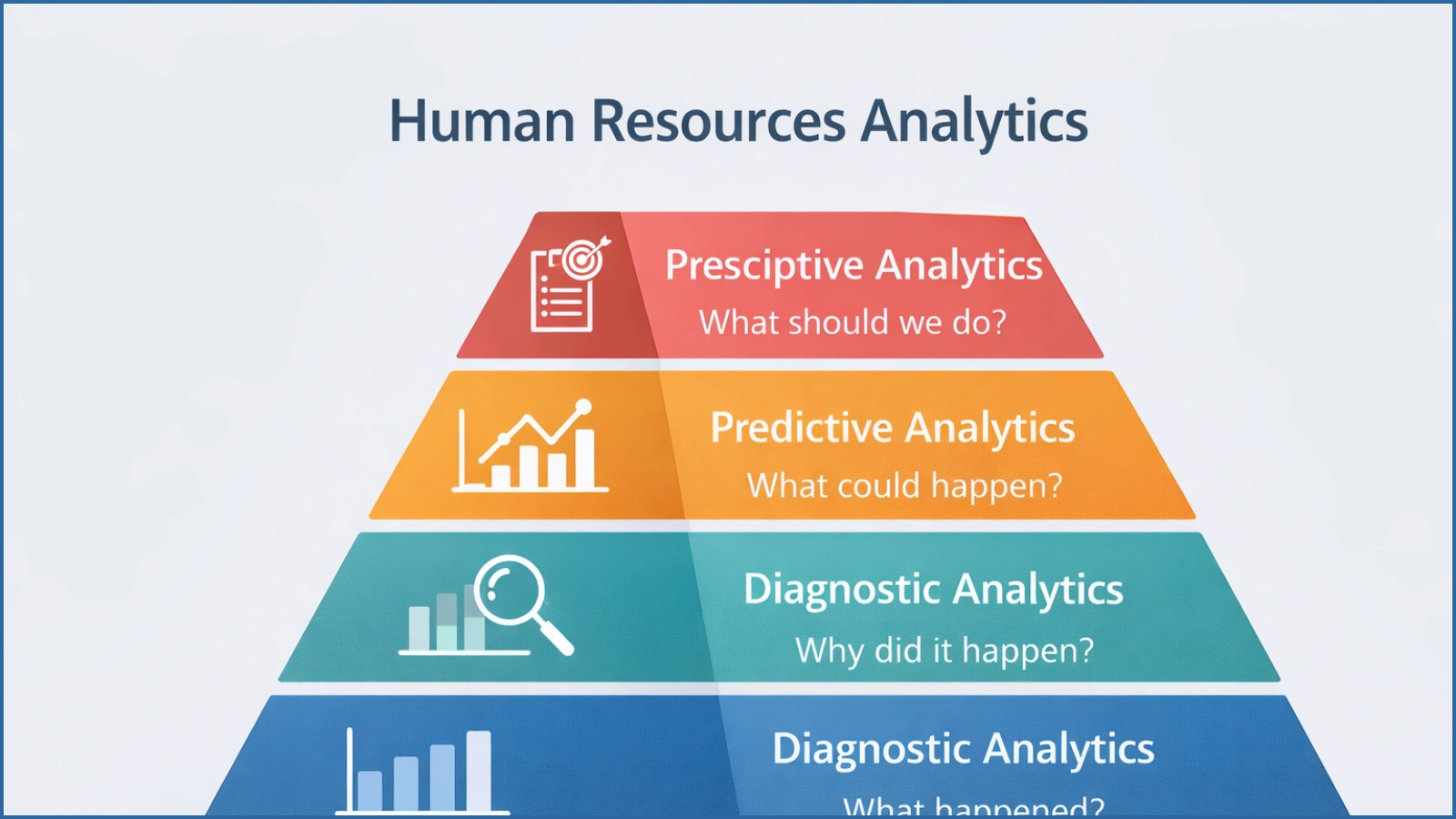
Not all analysis operates at the same depth. Understanding the layers helps clarify how organizations mature.
Descriptive Analytics
This answers a basic question: What happened?
Examples include tracking monthly attendance trends or measuring quarterly turnover rates. Descriptive insights create visibility, but they do not explain causes.
Diagnostic Analytics
This explores why something happened. If absenteeism rises in one department, diagnostic analysis may uncover workload imbalance or managerial challenges. It connects variables rather than just reporting numbers.
Predictive Analytics
Predictive analytics for human resources use historical patterns to estimate future outcomes. For example:
- Which employees may be at risk of leaving?
- Where might overtime increase next quarter?
- Which teams may face productivity dips?
Predictions are based on probability, not certainty. Clean and centralized data improves their accuracy significantly.
Prescriptive Analytics
This stage recommends action. If analysis reveals declining engagement in a team, prescriptive insights might suggest targeted training, workload adjustments, or leadership intervention. Few organizations reach this stage without a strong data foundation.
How Human Resources Analytics Works in a Real Business Setting
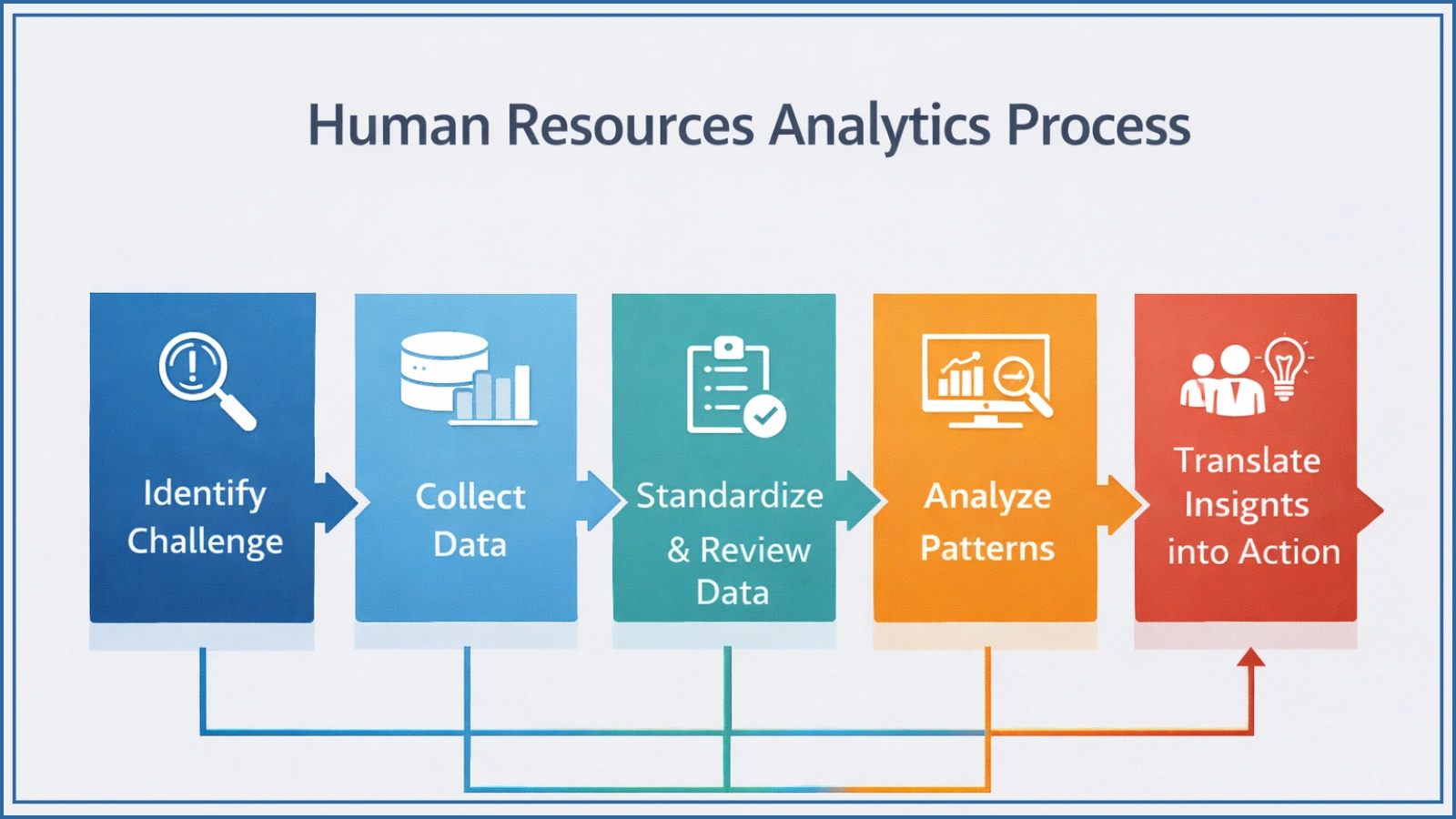
In practice, effective human resources analytics follows a structured and disciplined process. It is not about running reports randomly. It is about answering meaningful workforce questions with clarity and intention.
First, identify a specific workforce challenge. Analytics should solve a real problem, not exist for its own sake. When organizations begin with a clearly defined question, they avoid collecting unnecessary data and stay focused on measurable outcomes.
Second, gather reliable employee data from attendance, performance, payroll, and leave systems. The quality of insight depends heavily on the quality of input. Incomplete or inconsistent records often lead to misleading conclusions, so accuracy at this stage matters significantly.
Third, standardize and review the data to eliminate inconsistencies. Different departments may record information differently. Aligning definitions, timeframes, and measurement criteria ensures that comparisons remain valid and fair.
Fourth, analyze patterns and relationships across metrics. Look for trends over time, variations between teams, and correlations that may reveal deeper causes behind workforce challenges.
Finally, translate insights into action. Data alone does not create change. Leaders must interpret findings, communicate clearly with stakeholders, and implement practical adjustments based on evidence.
The key difference between average and effective analytics lies in integration. When employee data is scattered across spreadsheets and disconnected systems, analysis becomes fragmented and time-consuming. When information is centralized and organized, insights become easier to trust and faster to apply in real business decisions.
The Role of EmpCloud in Human Resources Analytics
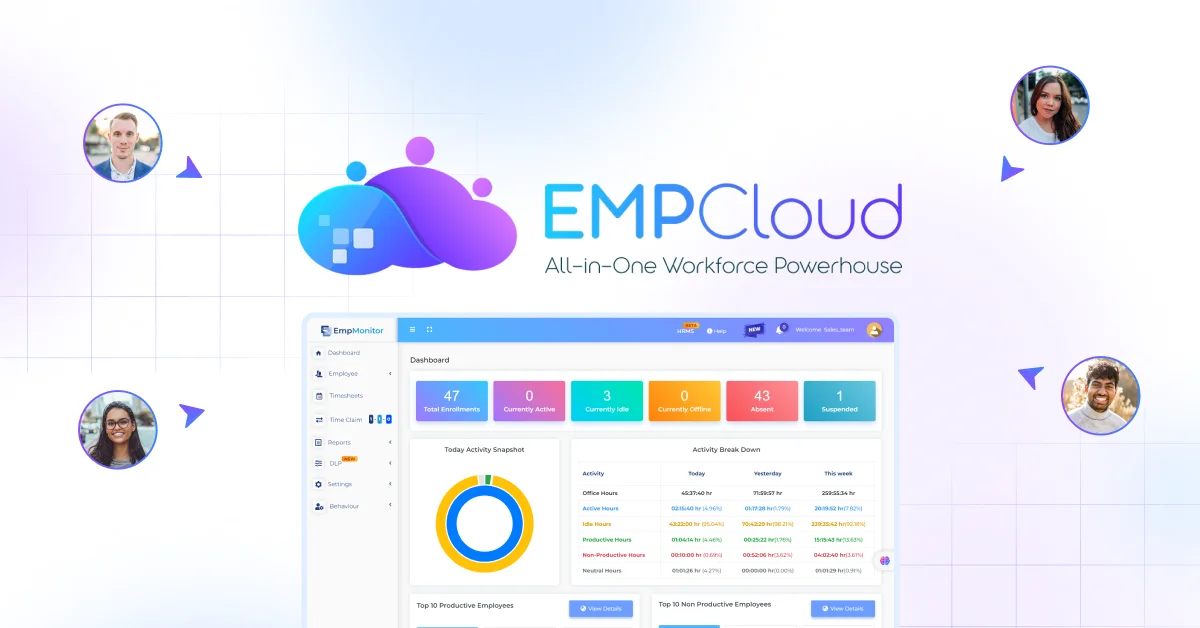
For analytics to work, data must be accessible, accurate, and structured. That is where EmpCloud plays a meaningful role. It is designed to centralize workforce management and make employee information easy to monitor and analyze. Features that directly support human resources analytics include:
- Centralized employee database for consistent records
- Real-time attendance and leave tracking
- Performance monitoring dashboards
- Customizable HR reports for leadership insights
- Exportable data for deeper analysis
- Role-based access control to maintain data security
By consolidating workforce information within one platform, it reduces fragmentation and improves reliability. Instead of manually compiling data from multiple sources, HR teams can focus on interpreting trends and acting on them. This structure strengthens the foundation of human resources data analytics and makes predictive modeling more dependable.
Common Metrics That Drive Insight
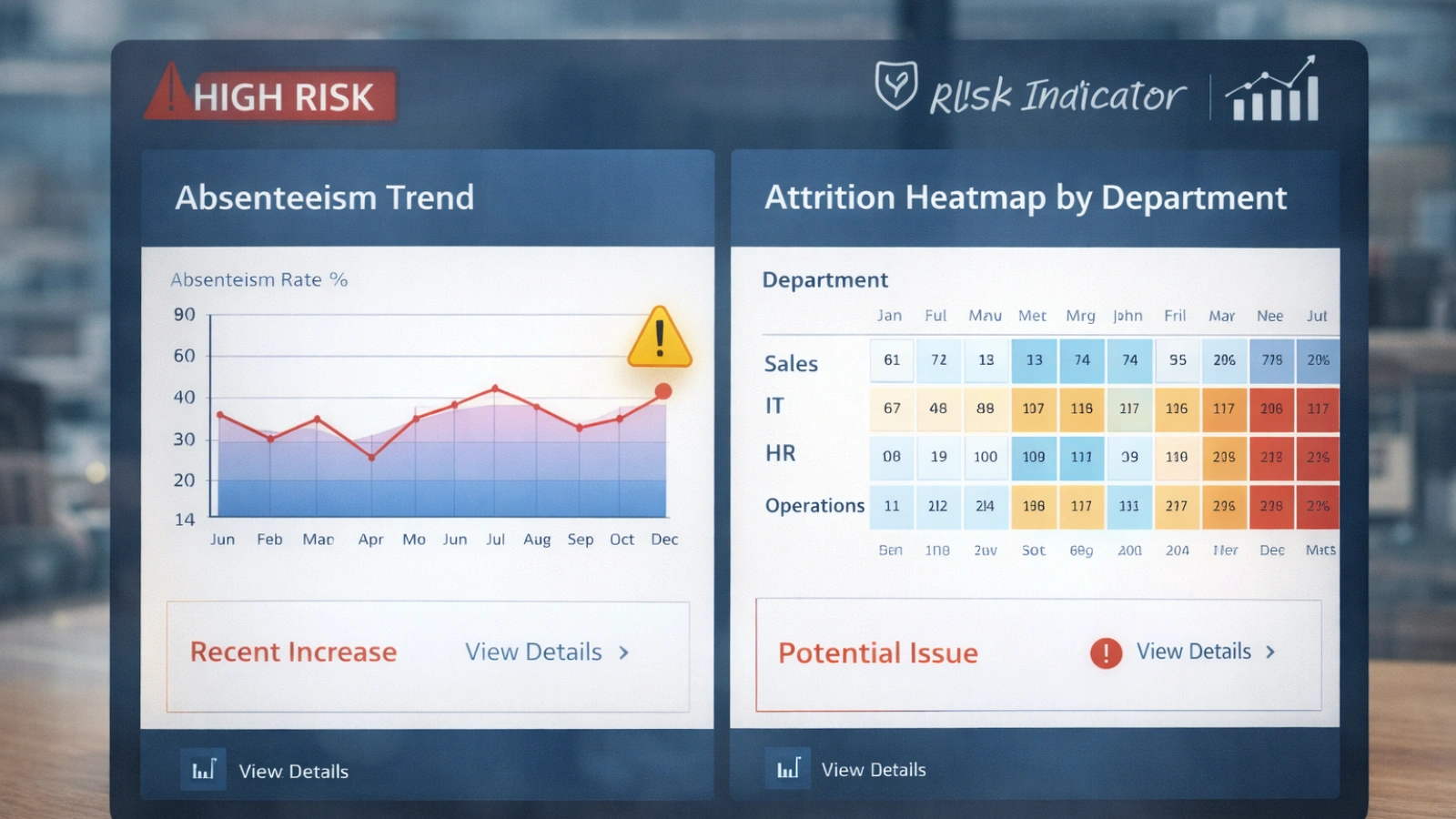
Organizations often track dozens of workforce metrics. The challenge is identifying which ones truly matter. Some commonly monitored metrics include:
- Employee turnover rate
- Time-to-fill
- Absenteeism rate
- Overtime frequency
- Performance rating distribution
- Promotion velocity
- Employee tenure trends
The value of human resources analytics comes from connecting these metrics to business impact.
For example, consistent overtime patterns may signal understaffing. Rising absenteeism may indicate burnout. Declining performance in a team may reflect training gaps. When these signals are monitored continuously through structured systems, decision-making becomes more proactive.
When Human Resources Analytics Delivers Results
It delivers results when:
- Leadership values data-informed decisions.
- Workforce data is centralized and consistent.
- Metrics align with business goals
- Insights lead to action
It struggles when:
- Data is scattered across disconnected tools.
- Reports are generated but ignored.
- Metrics are tracked without context
Analytics is not about complexity. It is about clarity.
Ethical and Responsible Use of Workforce Data
As organizations collect more employee data, responsibility increases. Human resources analytics must respect privacy, confidentiality, and fairness. Transparent communication about how employee data is used builds trust.
Role-based access controls protect sensitive information. Regular review of metrics ensures analysis does not unintentionally reinforce bias. Responsible use strengthens both culture and compliance.
Building Skills: Is a Human Resource Analytics Course Worth It?
As analytics becomes central to workforce strategy, many professionals consider enrolling in a human resource analytics course. Such courses often cover:
- HR metrics and KPIs
- Data interpretation
- Statistical fundamentals
- Predictive modeling basics
- HR technology applications
While advanced technical skills are not always necessary, understanding how data informs decisions strengthens professional capability.
Read More!
How Do Human Resource Systems Improve Efficiency? – EMPCloud | Blog
The Future of Human Resources Analytics
Work environments continue to evolve. Remote teams, flexible schedules, and performance-based evaluation models are becoming more common. In this landscape, human resources analytics becomes less about historical reporting and more about forward-looking strategy.
Organizations that centralize workforce data and analyze it consistently will design stronger teams, reduce avoidable turnover, and plan growth more effectively. The goal is not more dashboards. The goal is to make better decisions about people.
Human resources analytics is not about adding complexity to HR operations. It is about bringing structure and insight to decisions that shape an organization’s future. When employee data is organized, accessible, and thoughtfully analyzed, companies gain clarity. And clarity leads to confident, sustainable growth.
Frequently Asked Questions
1. What is human resource analytics in simple terms?
It is the use of employee data to improve decisions related to hiring, retention, performance, and workforce planning.
2. How does predictive analytics help HR teams?
Predictive analytics for human resources estimate potential outcomes such as turnover risk or absenteeism trends using historical data patterns.
3. Why is centralized data important for human resources analytics?
Centralized data improves accuracy, reduces duplication, and ensures analysis is based on consistent information.
4. Can small and mid-sized businesses benefit from human resources analytics?
Yes. Even growing organizations gain clarity and cost savings by analyzing attendance, performance, and retention trends.
5. How does EmpCloud support human resources data analytics?
EmpCloud centralizes employee records, tracks attendance and performance in real time, generates customizable reports, and ensures secure access control, creating a strong foundation for meaningful workforce analysis.
Quick Search Our Blogs
Type in keywords and get instant access to related blog posts.