
Every day, we make dozens of decisions—some planned, others rushed. Often, the difference between feeling in control and feeling overwhelmed comes down to one key mindset: proactive vs reactive thinking.
In a reactive mode, we respond only when problems appear. Deadlines sneak up, issues pile on, and stress becomes the norm. In contrast, a proactive approach focuses on anticipating challenges, planning, and taking action before things go wrong.
In today’s fast-moving work and personal environments, constantly reacting can limit growth and productivity. Being proactive doesn’t mean predicting everything perfectly—it means being prepared enough to handle situations calmly and effectively.
Understanding how proactive and reactive approaches shape daily decisions is the first step toward long-term success. In the sections ahead, we’ll break down their meanings, explore real-life examples, and see which mindset truly supports sustainable progress.
You can listen to this blog here.
Proactive and Reactive Meaning Explained Simply
To understand the debate around proactive vs reactive, it helps to start with clear definitions. Both approaches describe how people respond to situations, challenges, and responsibilities—but in very different ways.
Being proactive means taking initiative before problems arise. A proactive person plans, anticipates possible outcomes, and acts early to stay prepared. This approach focuses on control, foresight, and long-term thinking.
On the other hand, being reactive means responding only after something has already happened. Reactive behaviour is driven by urgency—fixing issues, handling surprises, or putting out fires as they come up. While reacting is sometimes necessary, relying on it too often can lead to stress and inconsistency.
In simple terms, the proactive and reactive meaning comes down to timing. Proactive actions happen before a situation escalates, while reactive actions happen after. Recognizing this difference helps explain why one mindset often leads to stability and growth, while the other can feel chaotic over time.
What Is the Difference Between Proactive and Reactive?
If you’ve ever wondered what is the difference between proactive and reactive, it mainly comes down to how much control you have over outcomes. Both approaches involve taking action, but the timing and intent behind those actions are very different.
A proactive approach is driven by planning and prevention. You identify potential challenges early, set priorities, and take steps to avoid problems before they arise. This mindset allows for better decision-making and fewer last-minute surprises.
A reactive approach, on the other hand, focuses on responding after an issue occurs. Decisions are often made under pressure, with limited time to think. While this can help solve immediate problems, it usually leads to higher stress and repeated disruptions.
In short, proactive behavior gives you room to think and act strategically, while reactive behavior keeps you in a constant response mode. Understanding this difference is key to choosing the approach that supports long-term success.
What Is the Difference Between Proactive and Reactive?
If you’ve ever wondered what is the difference between proactive and reactive, it mainly comes down to how much control you have over outcomes. Both approaches involve taking action, but the timing and intent behind those actions are very different.
A proactive approach is driven by planning and prevention. You identify potential challenges early, set priorities, and take steps to avoid problems before they arise. This mindset allows for better decision-making and fewer last-minute surprises.
A reactive approach, on the other hand, focuses on responding after an issue occurs. Decisions are often made under pressure, with limited time to think. While this can help solve immediate problems, it usually leads to higher stress and repeated disruptions.
In short, proactive behavior gives you room to think and act strategically, while reactive behavior keeps you in a constant response mode. Understanding this difference is key to choosing the approach that supports long-term success.
Proactive vs Reactive at Work: Impact on Performance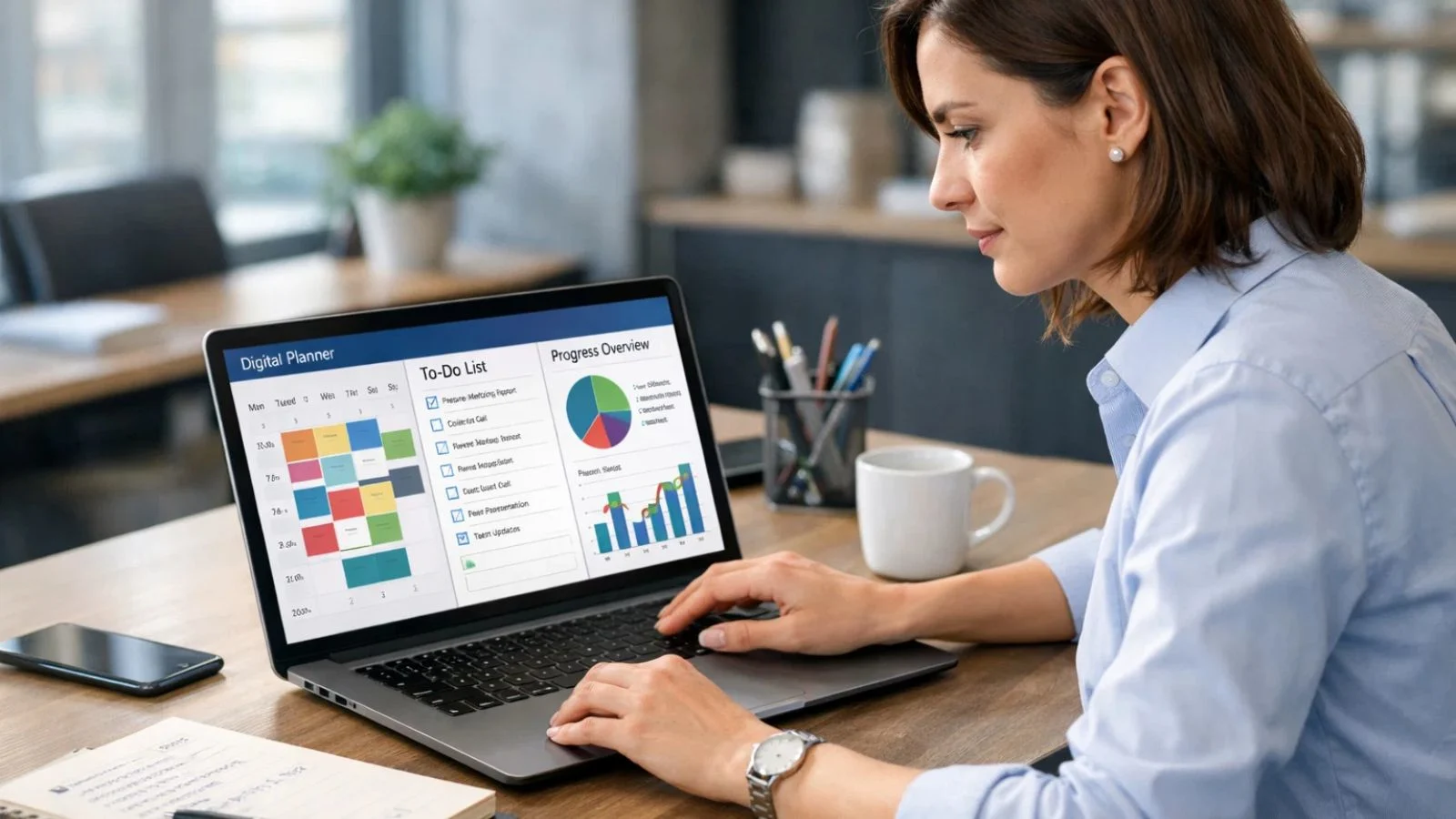
In the workplace, the difference between planning ahead and constantly responding to issues can strongly affect performance. This is where reactive vs proactive work styles become especially noticeable.
Employees who take a proactive approach tend to manage their time better. They anticipate workload demands, prepare in advance, and stay aligned with goals. This often results in fewer last-minute emergencies and more consistent output.
On the other hand, a reactive work style is usually driven by interruptions—urgent emails, unexpected requests, or sudden issues. While reactive employees may be good at handling crises, staying in this mode for too long can lead to stress, lower productivity, and reduced focus.
From a team perspective, proactive work habits improve collaboration and accountability. When people plan ahead, communicate clearly, and track progress, overall performance becomes more predictable and sustainable.
Reactive Instead of Proactive: Common Problems People Face
When people operate in a reactive instead of proactive mode most of the time, problems tend to repeat rather than disappear. While reacting is sometimes unavoidable, living in constant response mode can create long-term challenges.
One common issue is constant firefighting. Tasks are handled only when they become urgent, leaving little time for planning or improvement. This often leads to rushed decisions and avoidable mistakes.
Another problem is increased stress and burnout. When every day feels unpredictable, mental fatigue builds up quickly. People may feel busy all the time but still struggle to make real progress toward their goals.
Reactive behavior also limits growth. Opportunities are missed because attention is focused on immediate problems instead of long-term priorities. Over time, this can affect productivity, confidence, and overall performance—especially in demanding work environments.
Proactive Instead of Reactive: Benefits of a Forward-Thinking Approach
Choosing a proactive instead of reactive approach can completely change how you work and live. Instead of constantly responding to problems, you start creating systems that prevent many issues from happening in the first place.
One major benefit is better control over time and priorities. Proactive individuals plan their tasks, set clear goals, and allocate time wisely. This reduces last-minute pressure and makes work feel more manageable.
Another advantage is reduced stress. When you anticipate challenges and prepare for them, fewer surprises disrupt your day. This leads to calmer decision-making and better focus.
Being proactive also supports long-term growth. By thinking ahead, you can spot opportunities, improve skills, and make consistent progress toward goals. Over time, this mindset builds confidence, productivity, and sustainable success.
How Proactive Thinking Drives Long-Term Success
Long-term success is rarely the result of one big action—it’s built through consistent, intentional choices over time. This is where proactive thinking truly stands out in the proactive vs reactive discussion.
When you think proactively, you focus on prevention rather than correction. You set goals, create plans, and build habits that support steady progress. Instead of reacting to every situation, you decide in advance how you want to spend your time and energy.
Proactive thinking also encourages better decision-making. With fewer urgent distractions, you have the mental space to evaluate options, manage risks, and stay aligned with long-term objectives. This is especially important in careers, leadership roles, and personal growth.
Over time, these small proactive decisions compound. They lead to improved consistency, stronger discipline, and a clearer sense of direction—all essential ingredients for sustainable success.
Role of Tools in Moving From Reactive to Proactive Work
Shifting from a reactive mindset to a proactive one isn’t always easy—especially in busy work environments. This is where the right tools can make a big difference in the proactive vs reactive transition.
Tools that provide visibility into time, tasks, and performance help people plan ahead instead of constantly responding to issues. When you can see where your time is going, it becomes easier to prioritize important work and reduce unnecessary distractions.
Planning and tracking tools also improve accountability. They encourage regular reviews, early course correction, and better workload management. Instead of reacting to missed deadlines or performance gaps, teams can identify potential problems early and address them calmly.
By supporting awareness and structure, tools act as enablers of proactive behavior—turning intention into consistent action.
Boost Proactive Work Habits With Productivity Tracking Software
One of the most effective ways to move away from constant reaction is by using the right productivity tracking software. When work is visible and measurable, it becomes easier to plan ahead instead of responding to problems after they happen.
Productivity tracking tools help individuals and teams understand how time is spent throughout the day. This awareness highlights patterns—such as frequent interruptions, time-consuming tasks, or unproductive habits—that often keep people stuck in reactive mode.
With clear insights, you can plan workloads more realistically, set priorities in advance, and allocate time to important tasks before they become urgent. Over time, this structured approach supports proactive decision-making and more consistent performance.
Rather than guessing where time goes, productivity tracking software provides the clarity needed to work with intention and stay focused on long-term goals.
How EmpCloud Supports a Proactive Work Culture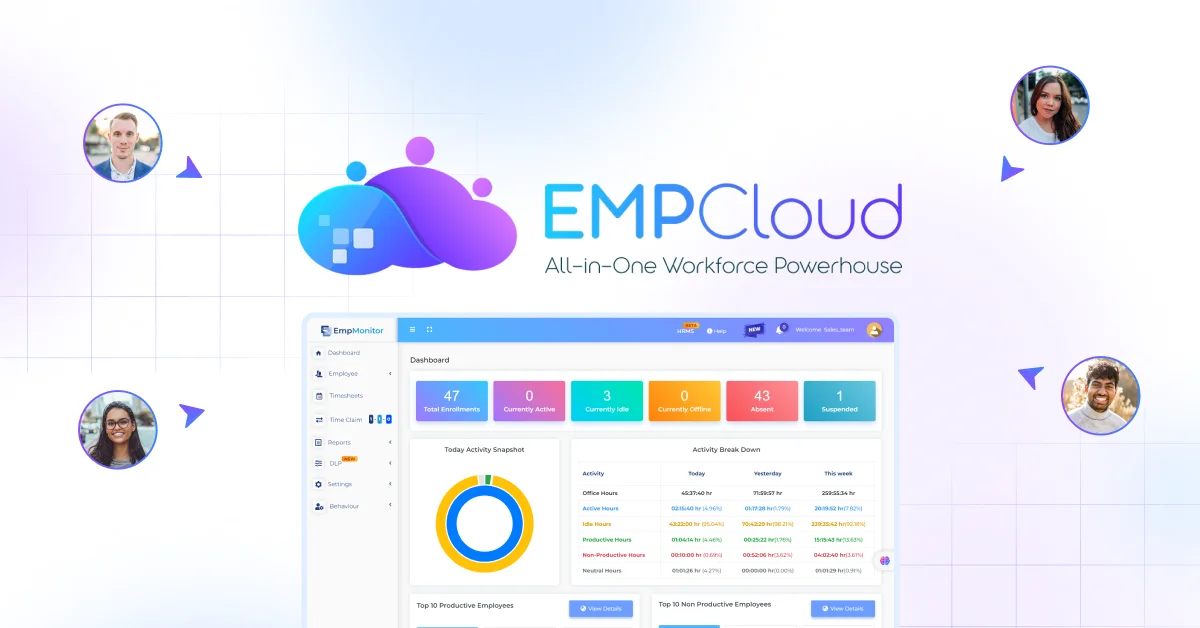
Building a proactive work environment requires more than good intentions—it needs clarity, visibility, and consistency. This is where EmpCloud fits naturally into the proactive vs reactive conversation.
EmpCloud helps teams understand how work actually happens by providing clear insights into time usage and activity patterns. Instead of discovering productivity issues after deadlines are missed, managers and employees can spot trends early and make timely adjustments.
Key ways EmpCloud supports proactive behavior include:
- Time tracking that encourages better planning and accountability
- Activity insights that highlight focus areas and distractions
- Performance visibility that helps teams stay aligned with goals
By making work patterns transparent, EmpCloud enables proactive decision-making. Teams can plan ahead, manage workloads better, and reduce the need for constant firefighting—creating a healthier and more productive work culture.
Practical Tips to Become More Proactive Every Day
Becoming proactive isn’t about changing everything overnight. Small, consistent habits can shift your mindset away from constant reaction and closer to long-term control—especially in the proactive vs reactive context.
Start by planning your day before it begins. Even a simple task list helps you focus on priorities instead of reacting to interruptions. Time blocking can also be useful, allowing you to dedicate specific periods to important work.
Regular reviews are another powerful habit. At the end of the day or week, reflect on what went well and what could be improved. This helps you anticipate future challenges and adjust early.
Finally, use data to guide decisions. Tracking time, tasks, and productivity gives you clarity and helps replace guesswork with intentional action. Over time, these small steps build a more proactive and confident approach to work and life.
When Being Reactive Is Necessary (And How to Handle It Better)
While the proactive vs reactive discussion often favors proactive thinking, it’s important to understand that being reactive isn’t always bad. In certain situations, reacting quickly is unavoidable and sometimes essential.
Emergencies, unexpected system failures, urgent client issues, or sudden changes often require immediate responses. In these moments, reactive action helps contain damage and restore stability.
The problem arises when reacting becomes the default mode rather than an occasional necessity. Constant reactivity leaves no room for planning, improvement, or long-term thinking.
The smarter approach is learning how to manage reactive situations proactively:
- Build buffers into schedules to handle surprises
- Create backup plans for high-risk tasks
- Review reactive incidents to prevent repeat issues
- Use tracking and planning tools to spot early warning signs
By doing this, even reactive moments become learning opportunities rather than ongoing stress points. The goal isn’t to eliminate reactive behavior—but to reduce how often it controls your day.
Choosing the Right Approach for Sustainable Success
When comparing proactive vs reactive approaches, the difference lies in control, clarity, and long-term impact. Reactive behavior may help solve immediate problems, but relying on it too often can lead to stress, inefficiency, and missed opportunities.
A proactive mindset focuses on planning, making intentional decisions, and preventing issues before they arise. Over time, this approach creates consistency, better productivity, and sustainable growth—both personally and professionally.
While reacting will always be part of life, choosing to be proactive whenever possible gives you an advantage. With the right habits, mindset, and supportive tools, long-term success becomes more achievable and far less overwhelming.
Also Read,
AI Productivity Tools vs. Traditional Methods: The Definitive Comparison
How To Master Workload Prioritization For Higher Productivity?
FAQ’s
- Is being proactive always better than being reactive?
Not always. Reacting is sometimes necessary in emergencies, but a proactive approach is more effective for long-term success. - How can I become more proactive at work?
Planning tasks ahead, setting priorities, reviewing progress regularly, and using productivity tools can help reduce reactive work habits. - Can productivity tracking software help with proactive behavior?
Yes. Tracking tools provide visibility into time and tasks, making it easier to plan ahead and avoid last-minute pressure. - Proactive vs reactive: Which approach leads to long-term success?
A proactive approach supports consistent growth, reduced stress, and better decision-making, making it more effective for long-term success.
Quick Search Our Blogs
Type in keywords and get instant access to related blog posts.