Workplaces aren’t what they used to be. Longer hours, always-on communication, and growing pressure have blurred the line between work and personal life. As a result, employee well-being is no longer a “nice-to-have” perk; it’s a real business necessity. When organizations overlook this reality, they often face burnout, disengaged teams, and rising attrition. That’s why investing in an effective employee wellness program has become a core part of building a healthier, more resilient, and more productive workplace.
Today’s workforce expects more than just a paycheck. Employees want support for their physical health, mental clarity, emotional balance, and overall quality of life. Thoughtfully designed initiatives help organizations meet these expectations while improving productivity and morale.
In a hurry? Listen to the blog instead!
What Are Employee Wellness Programs?
It is a structured, employer-led approach to supporting the overall well-being of employees across physical, mental, emotional, and social dimensions. Rather than offering one-off benefits, these programs focus on prevention, balance, and sustainable health by encouraging healthier habits, reducing stress, and creating a supportive work culture.
When implemented effectively, an employee wellness program helps employees feel valued and resilient, while enabling organizations to build a more engaged, productive, and stable workforce, which can be measured over time using employee engagement metrics such as participation levels, job satisfaction, and retention rates.
Key Components and Examples of Employee Wellness Programs
An effective employee wellness program is built around multiple dimensions of well-being, ensuring employees feel supported both inside and outside the workplace.
Physical wellness:
Focuses on improving overall health and energy levels. This may include fitness challenges, gym memberships, step-tracking initiatives, ergonomic work setups, preventive health check-ups, or on-site yoga and stretching sessions. These initiatives help reduce fatigue, absenteeism, and lifestyle-related health issues.
Mental and emotional wellness:
Addresses stress, burnout, and emotional resilience. Common examples include access to counseling or therapy, stress management workshops, mindfulness sessions, mental health days, and confidential employee assistance programs (EAPs). These efforts create a safer space for employees to seek support and maintain psychological well-being.
Work-life balance initiatives:
Help employees manage professional responsibilities alongside personal commitments. Flexible work hours, remote or hybrid work options, reasonable workload planning, and clear boundaries around after-hours communication are key examples that prevent chronic stress and overwork.
Financial wellness:
Programs support employees in managing money-related stress, which is a major contributor to anxiety. Examples include financial planning sessions, retirement education, debt management guidance such as Achieve’s guide to alternatives to consolidation loans, insurance awareness programs, and access to savings or investment tools.
Social and community wellness:
Strengthens relationships and a sense of belonging at work. Team-building activities, peer recognition programs, volunteering opportunities, mentorship initiatives, and inclusive workplace events help employees feel connected and valued.
Health awareness and preventive care:
Initiatives promote early intervention and healthy habits. These include vaccination drives, health screenings, nutrition guidance, smoking cessation programs, and wellness awareness campaigns.
Also Read:
How To Use Employee Engagement Metrics To Boost Performance?
Why Employee Wellness Programs Matter More Than Ever?
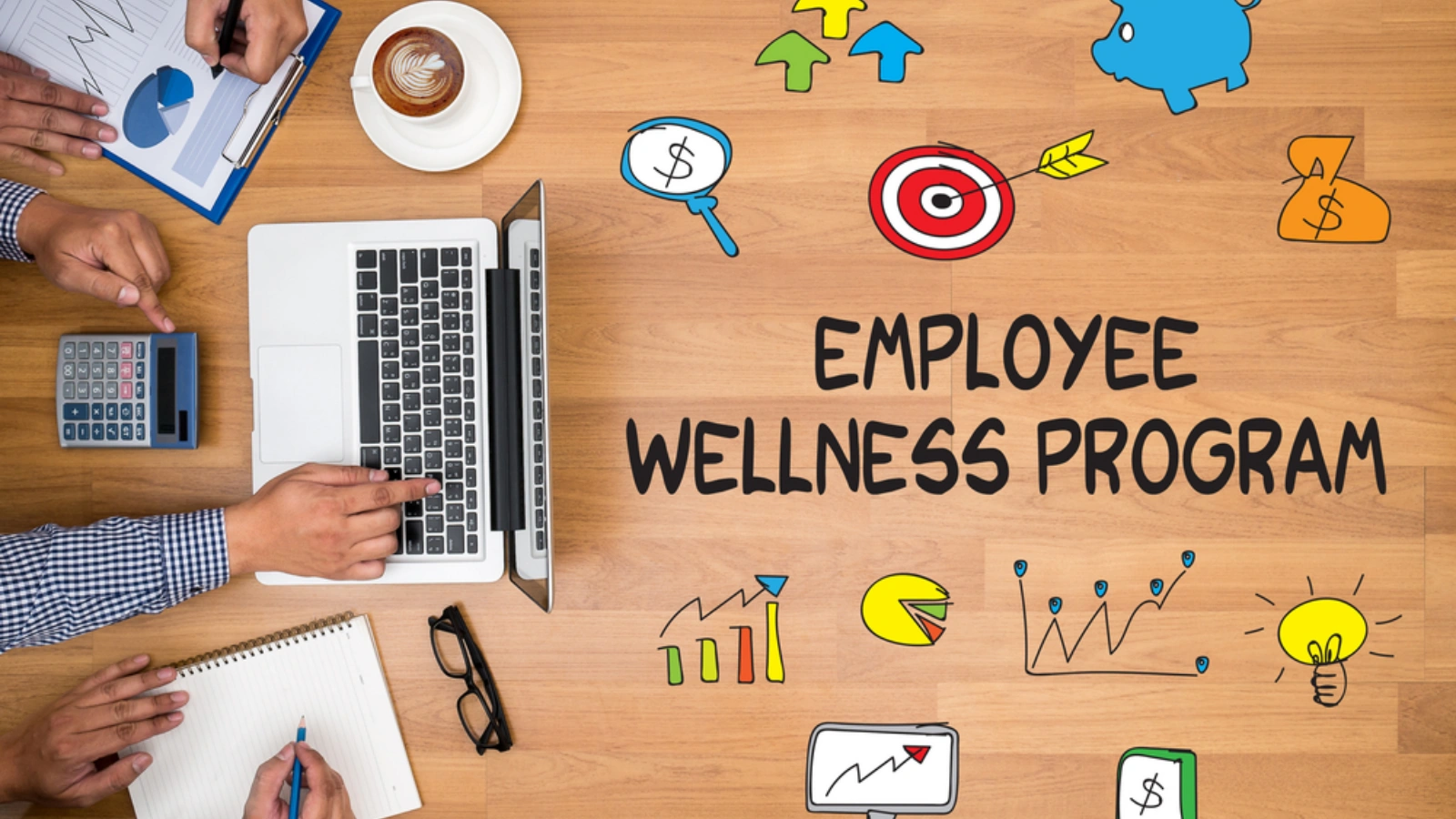
Workplace stress does not stay at work. It affects families, health, and long-term performance. Organizations that invest in wellness see measurable improvements across multiple areas.
Key reasons companies prioritize wellness today:
Reduced employee burnout and fatigue:
Supportive wellness initiatives help employees manage workload pressure, recover effectively, and maintain consistent energy levels.
Improved focus and daily productivity:
When employees feel mentally and physically well, they can concentrate better, make clearer decisions, and deliver higher-quality work.
Stronger emotional resilience:
Wellness support equips employees with tools to handle stress, adapt to change, and stay balanced during demanding periods.
Lower absenteeism:
Health-focused practices encourage prevention and early care, which reduces sick days and unplanned time off.
Higher retention and job satisfaction:
Employees are more likely to stay with organizations that value their well-being and create a supportive work environment.
When people feel cared for, they care more about their work. That is the real impact of strong employee wellness programs.
The Evolution Of Employee Wellness Programs
Workplace wellness has evolved significantly over the years. Early initiatives focused mainly on compliance, safety regulations, and occasional medical checkups. While these efforts addressed immediate physical risks, they often overlooked emotional strain, mental health, and work–life balance.
As work environments became more demanding and digitally driven, organizations began to recognize that well-being is multidimensional. Health is no longer viewed as the absence of illness but as the ability to function, adapt, and thrive at work.
Future Trends in Employee Wellness Programs-
Holistic and Integrated Well-Being:
Wellness is expanding beyond physical health to embrace mental, emotional, financial, and social well-being. Organizations are taking a whole-person approach that supports mind, body, and overall balance, rather than focusing on isolated health initiatives.
This aligns closely with evolving employee engagement ideas that prioritize meaningful and supportive work experiences.
Technology-Enabled Wellness Experiences:
Digital tools such as wellness apps, wearables, virtual fitness or therapy sessions, and data-driven insights are making wellness more accessible and personalized. Technology allows employees to engage with wellness programs anytime, anywhere, in ways that suit their routines.
Stronger Focus on Mental Health:
With rising stress and burnout, mental health has moved to the forefront. Programs increasingly include counseling support, mindfulness practices, resilience training, and mental health awareness initiatives that normalize seeking help.
Preventive and Proactive Care Models:
Organizations are shifting from reactive healthcare to preventive strategies. This includes regular health check-ups, primary care access, OPD benefits, and early intervention programs aimed at reducing long-term health risks.
Wellness as a Strategic Business Priority:
Employee wellness is now closely tied to talent attraction, retention, and organizational performance. Forward-thinking companies view wellness programs as a core part of business strategy, not just an optional benefit.
Inclusive and Personalized Approaches:
One-size-fits-all wellness programs are giving way to tailored initiatives that address diverse employee needs. Personalized plans, inclusive policies, and cross-functional wellness teams help ensure programs resonate across roles, ages, and lifestyles.
Also Read:
Core Pillars Of Effective Employee Wellness Programs
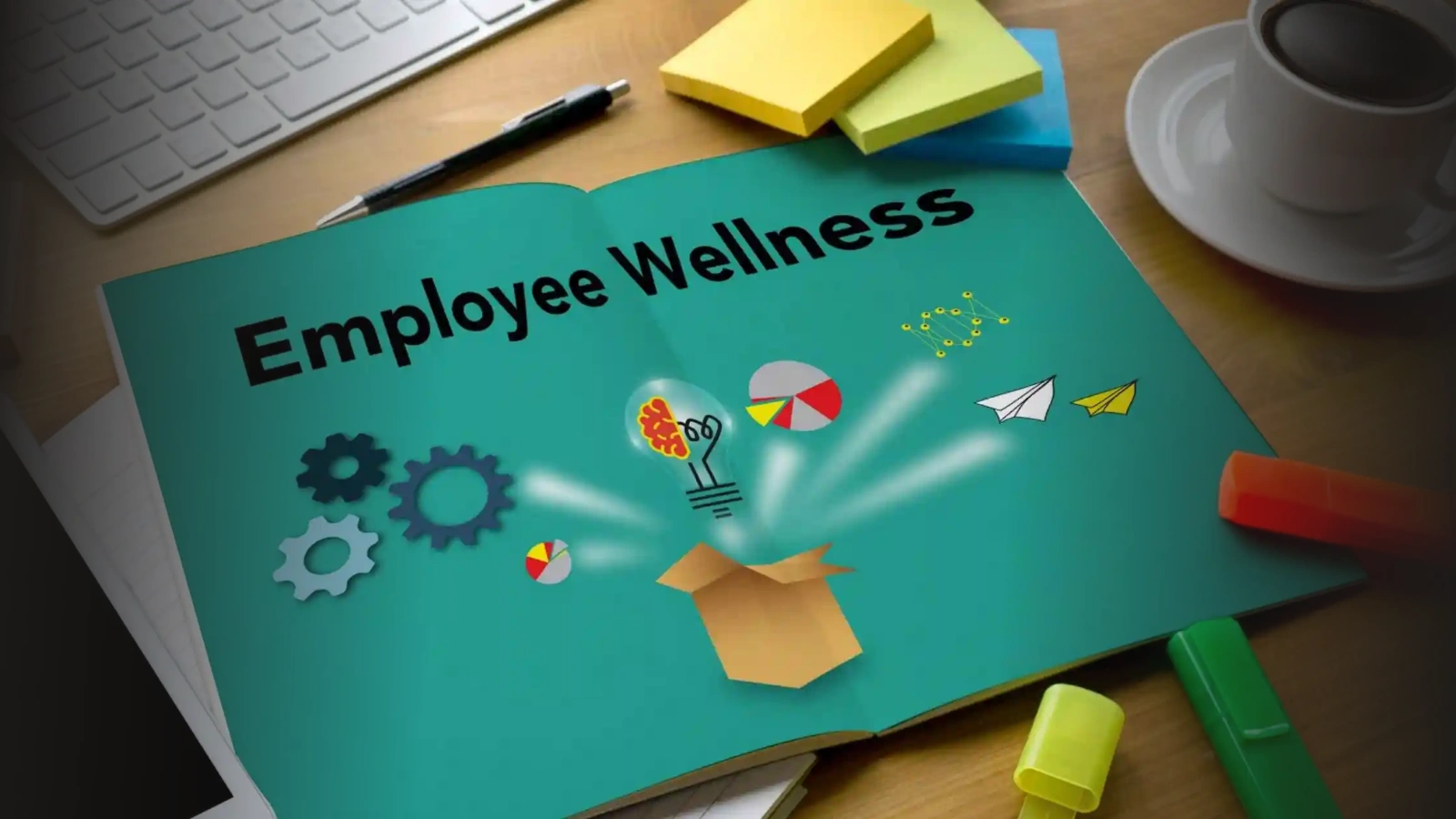
Successful wellness strategies balance multiple dimensions of well-being rather than focusing on a single area.
1. Physical Well-Being:
Physical health fuels energy and stamina. Wellness initiatives often include:
- Fitness challenges and movement breaks
- Ergonomic workstations
- Preventive health screenings
Strong employee wellness programs encourage healthy habits without pressure.
2. Mental and Emotional Well-Being:
Mental health plays a critical role in decision-making and creativity. Organizations support this area through:
- Stress management workshops
- Mindfulness and relaxation sessions
- Access to counseling resources
Open conversations strengthen trust and normalize mental health care within employee wellness programs.
3. Social Well-Being:
Human connection matters. Social wellness builds belonging and teamwork through:
- Team-building activities
- Peer recognition programs
- Inclusive workplace practices
When people feel connected, engagement rises naturally.
4. Financial Well-Being:
Financial stress impacts focus and morale. Wellness initiatives may include:
- Financial literacy sessions
- Planning and budgeting support
- Transparent compensation policies
A holistic approach to workplace well-being recognizes that financial stability plays an important role in overall health.
The Business Impact Of Employee Wellness Programs
Wellness initiatives deliver tangible business value when designed correctly.
Benefits organizations experience:
- Higher employee engagement
- Improved performance consistency
- Stronger employer branding
- Reduced healthcare-related costs
Over time, these initiatives help build a workplace culture rooted in trust and long-term sustainability.
How Can Organizations Design Employee Wellness Programs That Employees Actually Use?
Many wellness initiatives struggle because they feel imposed, generic, or disconnected from everyday work challenges. Programs succeed when organizations take the time to understand employee needs rather than assuming what will work.
Effective design starts with listening and continues with flexibility and transparency.
Best practices for thoughtful program design include:
Conduct employee surveys and feedback sessions:
Regular feedback helps identify real stress points, health concerns, and preferences, ensuring initiatives address what employees truly value.
Offer flexible participation options:
Providing multiple ways to engage allows employees to choose activities that suit their schedules, roles, and personal comfort levels.
Communicate benefits clearly and consistently:
Clear messaging helps employees understand how wellness initiatives support their daily lives and long-term well-being.
Align wellness goals with daily work realities:
Programs should complement workloads and workflows rather than adding extra pressure or time commitments.
People engage more when initiatives reflect real challenges and feel supportive rather than mandatory.
How Does Technology Drive Innovation In Employee Wellness Programs?
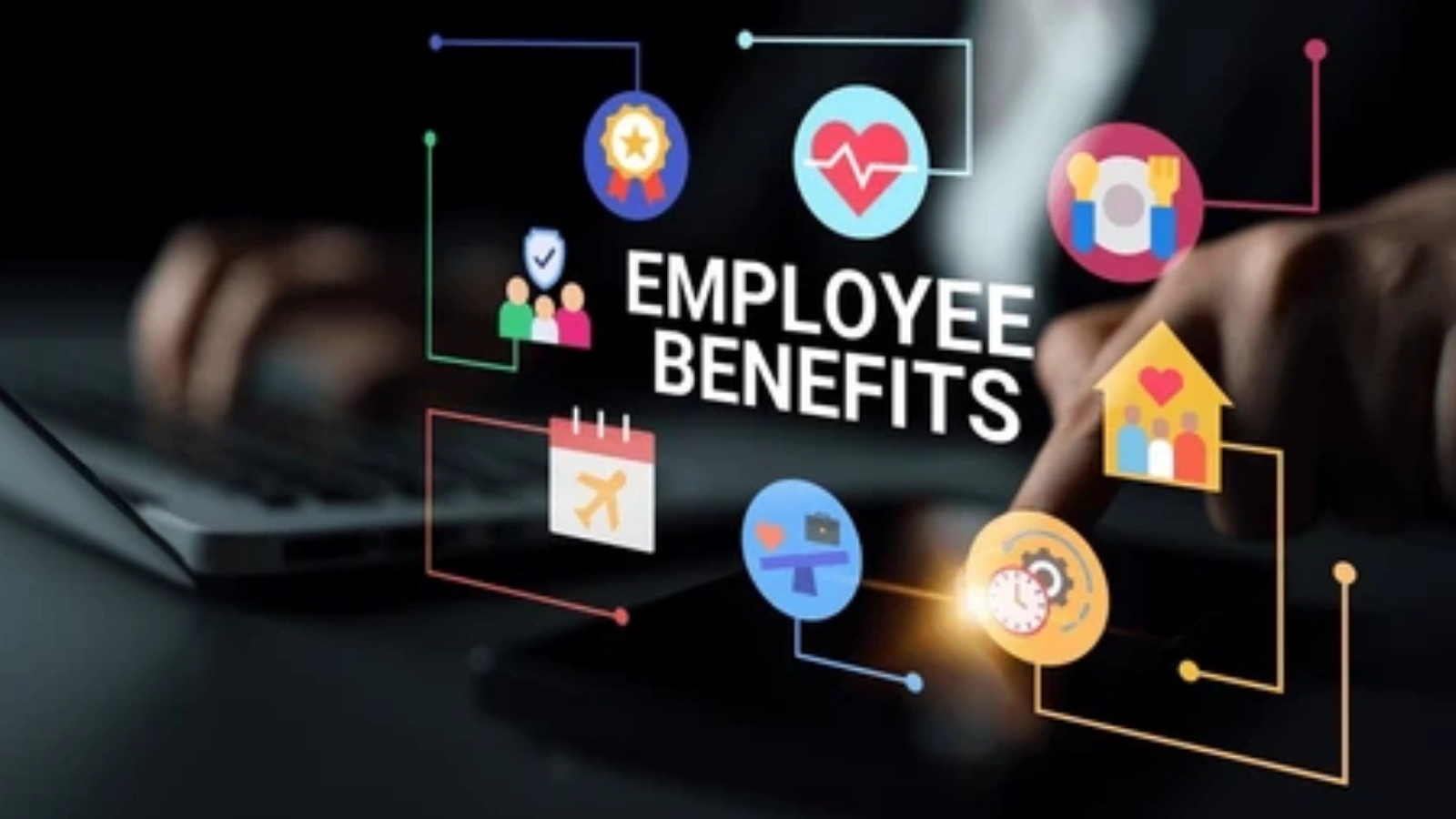
Digital tools have transformed the way organizations support employee well-being. Technology now enables greater flexibility, personalization, and scalability, making wellness initiatives more accessible for on-site, hybrid, and remote teams.
Workforce management platforms play a critical role in this shift by simplifying everyday work processes. When systems reduce complexity, employees experience less operational stress and greater clarity in their roles.
Technology enhances wellness efforts in several key ways:
Improves flexibility and accessibility:
Digital platforms allow employees to access wellness resources and work tools regardless of location or schedule.
Supports personalized experiences:
Technology helps tailor workloads, schedules, and support based on individual roles and needs.
Reduces administrative burden:
Automated processes minimize manual effort, freeing employees and managers to focus on meaningful work.
Enhances transparency and clarity:
Clear visibility into tasks, time, and performance reduces confusion and unnecessary pressure.
As organizations expand their employee wellness programs, tools like EmpCloud help reduce operational friction by streamlining workforce management, improving transparency, and supporting healthier work structures that sustain long-term well-being.
How EmpCloud Strengthens Employee Wellness Through Smarter Workforce Management?
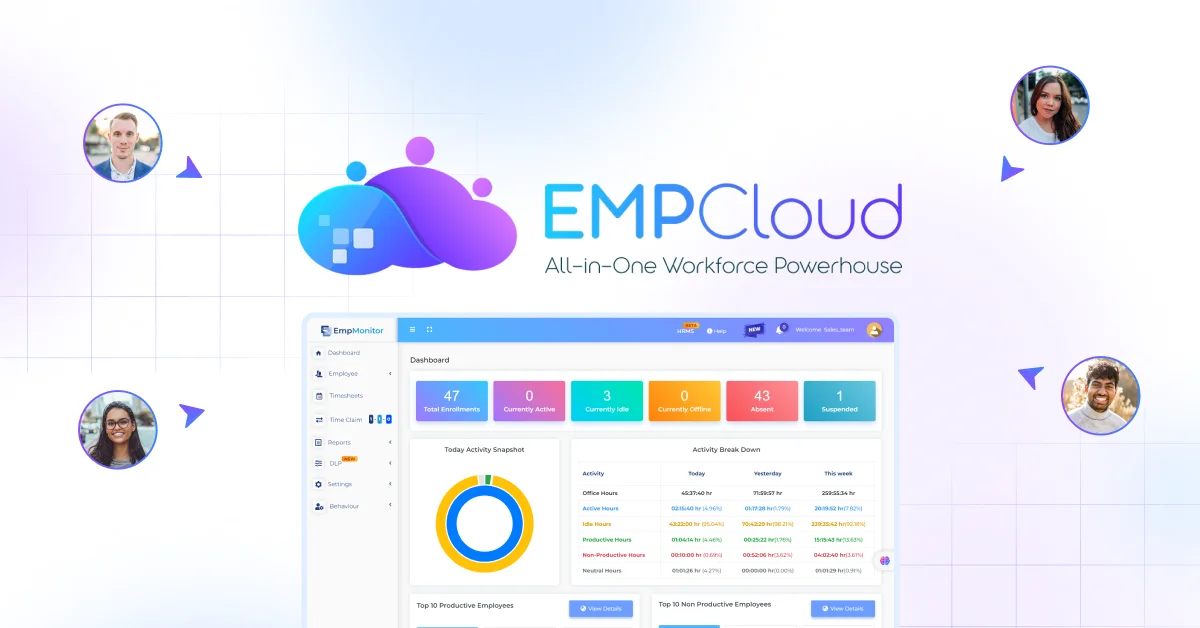
Wellness does not exist in isolation. Daily work experiences, task clarity, time tracking, attendance, and communication directly affect employee stress levels. EmpCloud addresses these factors by offering a unified workforce management platform designed to improve both productivity and employee experience.
EmpCloud brings all essential HR processes, like onboarding, performance reviews, payroll, and offboarding, into one easy-to-use platform. By reducing manual work and eliminating unnecessary complexity, it takes everyday pressure off HR teams and employees alike.
This smoother way of working encourages healthier routines, clearer processes, and a more balanced work environment, making EmpCloud a natural support system for long-term employee wellness programs.
Manager-Centric Features That Promote Balance:
Managers influence employee well-being every day. EmpCloud equips them with tools that reduce chaos and improve clarity:
- Time Tracking helps monitor work hours accurately and prevents overwork
- Geo-Location Tracking supports field teams with safety and operational transparency
- Task and Opportunity Management ensures clear task allocation and real-time progress visibility
- Productivity Tracking provides insights without micromanagement
- Project Management supports realistic planning and on-time delivery
- Client Management streamlines interactions and reduces workload pressure
- Data Loss Prevention protects sensitive information and builds trust
- Report Generation enables data-driven and people-focused decisions
These features reduce unnecessary stress and support healthier workflows.
HR-Centric Capabilities That Improve Employee Experience:
HR teams play a vital role in sustaining wellness. EmpCloud offers powerful HR-focused tools that simplify administration while enhancing transparency:
- Face Recognition Attendance System for secure, contactless attendance
- Leave and Attendance Tracking for smooth approvals and accurate records
- Policy and Document Management for easy access and compliance
- Automated Timesheets for accurate scheduling and workload management
- Employee Access History for transparency across locations
- Employee Requests Management for WFH, comp-off, and corrections
- Exit Management for structured and respectful offboarding
- Employee Payroll Management for accurate, stress-free salary processing
These capabilities reduce friction and improve trust, key elements of effective employee wellness programs.
Centralized Insights for Healthier Decision-Making
EmpCloud provides a unified dashboard that brings together attendance, productivity, task allocation, live location tracking, and performance insights. This centralized visibility helps organizations identify workload imbalances early and take corrective action before burnout sets in.
Trusted by over 1500 industry leaders such as Wipro, Cognizant, Airtel, Tata Projects, ICICI, and Vistaprint, EmpCloud supports scalable, people-focused workforce management.
Common Challenges In Employee Wellness Programs
Even strong initiatives face obstacles.
Typical challenges include:
- Low participation due to lack of relevance
- Budget constraints
- Poor communication
Organizations overcome these challenges by involving employees in decision-making and aligning wellness goals with daily work realities.
How Can Organizations Measure The Success Of Employee Wellness Programs?
Measurement helps organizations understand what works, what needs improvement, and how wellness efforts impact both people and performance. Tracking the right indicators ensures initiatives remain relevant and effective over time.
Organizations commonly evaluate success through:
Engagement and participation rates:
These metrics show how many employees actively take part in wellness activities, revealing whether initiatives feel relevant and accessible.
Employee feedback and surveys:
Regular feedback provides insight into employee satisfaction, perceived value, and areas where support may be lacking.
Retention and absenteeism trends:
Improvements in retention and reduced absenteeism often indicate better overall well-being and a healthier work environment.
In addition to quantitative data, stories and testimonials offer valuable context. Personal experiences highlight emotional impact, cultural shifts, and benefits that numbers alone may not fully capture.
A Broader Perspective On Workplace Wellness
Many organizations start their wellness journey with a small, focused initiative and gradually expand it as employee needs become clearer. Early efforts often address immediate concerns, but long-term success comes from continuous learning and adaptation.
Ongoing research highlights the wide-ranging benefits of employee wellness programs, including improved morale, higher engagement, better productivity, and stronger employee retention. When wellness initiatives operate in isolation, their impact remains limited.
In contrast, integrated employee health and wellness programs take a holistic approach by addressing physical health, mental well-being, emotional balance, and lifestyle habits together.
A well-designed corporate employee wellness program also plays a strategic role by aligning employee well-being with organizational objectives. By connecting people strategy to business goals, organizations create sustainable work environments where employees can thrive while contributing consistently to long-term growth.
The Future Of Employee Wellness Programs

The future of work centers on empathy, flexibility, and personalization. As employee expectations continue to evolve, organizations must rethink how they support well-being in meaningful and sustainable ways.
Key trends shaping the future include:
- Greater focus on mental health awareness
Organizations will continue to normalize conversations around mental well-being and provide proactive support rather than reactive solutions. - AI-driven insights for personalized support
Data and intelligent tools will help identify workload patterns, stress signals, and engagement levels, enabling more tailored wellness interventions. - Flexible and hybrid work models
Work structures will increasingly adapt to individual needs, allowing employees greater control over schedules and work environments. - Holistic well-being frameworks
Future initiatives will integrate physical, emotional, financial, and social wellness into a single, cohesive strategy. - Continuous feedback and improvement
Organizations will rely more on real-time feedback to refine wellness efforts and respond quickly to changing employee needs.
Organizations that listen, adapt, and invest consistently in people-first strategies will lead the way, creating healthier, more resilient, and future-ready workplaces.
Final Thoughts
Workplace wellness is a clear reflection of how organizations value their people. When companies invest in thoughtful and well-structured employee wellness programs, they create environments where individuals feel supported, respected, and motivated to do their best work. These initiatives go beyond surface-level benefits and address the real challenges employees face in today’s fast-paced and demanding work environments.
When wellness efforts are reinforced with smart workforce management tools like EmpCloud, organizations gain the structure and visibility needed to sustain long-term impact. Clear workflows, balanced workloads, and transparent processes reduce daily stress and support healthier work habits.
By prioritizing people alongside performance, organizations build resilient teams, strengthen trust, and create workplaces where employees can thrive, naturally driving consistent growth and lasting success.
FAQs
1. How long does it take to see results from wellness initiatives?
Results vary based on consistency and participation. Some organizations notice improved morale and engagement within a few weeks, while measurable outcomes like reduced absenteeism or better retention may take several months of continuous effort.
2. Are wellness initiatives suitable for small and growing businesses?
Yes. Wellness does not require a large budget. Small organizations can start with flexible work hours, clear communication, and access to basic well-being resources, then scale initiatives as the team grows.
3. How can organizations encourage employees to participate voluntarily?
Participation increases when programs feel relevant and inclusive. Offering choices, listening to feedback, and avoiding mandatory activities help employees engage willingly rather than out of obligation.
4. Can wellness strategies work for remote and hybrid teams?
Yes. Virtual check-ins, digital well-being tools, and clear workload visibility support remote teams effectively. Consistent communication plays a major role in keeping distributed teams engaged.
5. What role does data play in improving workplace well-being?
Data helps organizations understand workload patterns, engagement levels, and potential stress points. When used responsibly, insights support better planning and more balanced work environments.
Quick Search Our Blogs
Type in keywords and get instant access to related blog posts.