Every organization depends on decisions. Some decisions push growth forward, while others slow progress and create confusion. Leaders no longer rely on instincts alone. Clear data now shapes confident choices. This shift has placed performance analytics at the center of modern decision-making.
Teams collect vast amounts of information every day. Attendance records, productivity reports, task outcomes, and employee feedback all contain valuable signals. Without structure, this information stays scattered and unused. Performance analytics transforms raw data into insights that leaders can trust and act on.
This guide explains how organizations unlock smarter decisions with performance analytics, how HR teams use structured insights, and how the right tools simplify this process. You will also see how EmpCloud supports data-driven performance strategies across teams.
In a hurry? Listen to the blog instead!
Why Smarter Decisions Matter More Than Ever?

Every business faces pressure to improve efficiency, retain talent, and deliver results faster. Decisions without evidence often create gaps between effort and outcome. Teams feel unsure, managers react late, and goals drift off track.
Data-backed decisions remove guesswork. Leaders gain clarity on what works, what needs attention, and where teams spend effort. Performance analytics provides this clarity by connecting daily activity with measurable outcomes.
When organizations rely on structured insights, they reduce errors, improve accountability, and build trust across teams. This foundation supports consistent growth and stronger performance at every level.
What Performance Analytics Really Means In Practice?
Many people think performance analytics only involves reports and charts. In reality, it goes beyond static numbers and uncovers meaningful insights that guide decisions. Performance analytics connects actions to outcomes, helping leaders understand patterns, trends, and relationships within their workforce.
Key Aspects of Performance Analytics in Practice
- Tracking Time and Effort
Performance analytics examines how employees allocate time across tasks, revealing efficiency patterns and helping managers optimize workloads. - Monitoring Task Progress
It tracks project and task completion, allowing leaders to spot delays early and adjust priorities before issues escalate. - Measuring Output Quality
Analytics evaluates accuracy, consistency, and results, helping managers understand whether work meets organizational standards. - Connecting Effort to Goals
By comparing work activity with business objectives, performance analytics shows how individual contributions support team and company success. - Proactive Decision Support
Instead of reacting to problems after they occur, managers use insights to anticipate challenges, coach employees, and drive continuous improvement.
Performance analytics transforms raw data into actionable insights. It allows leaders to make informed decisions daily, improve workforce productivity, and maintain engagement. Organizations that adopt this approach gain a clear, holistic view of employee performance and team dynamics.
Role of HR Performance Analytics In The Workplace
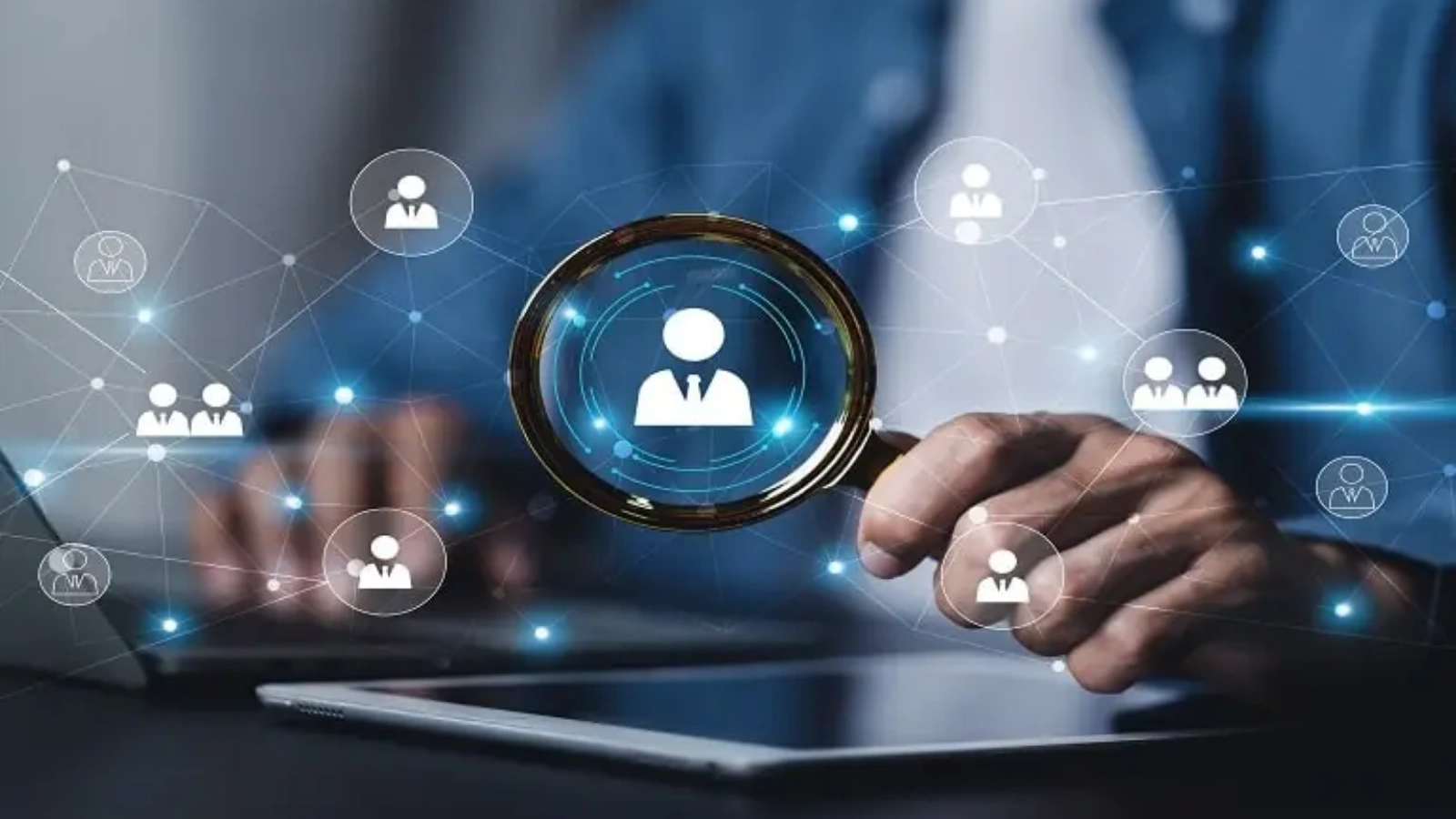
HR teams play a crucial role in workforce decisions. Hiring, performance reviews, promotions, and workforce planning all depend on accurate information. HR performance analytics brings structure and fairness to these processes.
With HR performance analytics, HR leaders track attendance patterns, productivity trends, and skill utilization. These insights support better hiring decisions, balanced workloads, and objective evaluations.
HR performance analytics also strengthens transparency. Employees understand expectations, managers rely on data rather than assumptions, and organizations maintain consistency across departments.
How Performance Analytics Unlocks Smarter Decisions?
Making smarter decisions starts with clear visibility into how work gets done. Performance analytics bridges the gap between individual contributions and organizational goals, giving managers a comprehensive view of employee performance.
Connecting Daily Work to Strategic Goals
Performance analytics allows leaders to see how each employee’s tasks, projects, and daily activities contribute to larger business objectives. This ensures that everyone’s efforts align with the organization’s priorities, reducing wasted effort and misaligned work.
Identifying Strengths and Areas for Improvement
By analyzing metrics such as productivity, quality, attendance, and engagement, performance analytics highlights top performers, detects potential burnout, and uncovers inefficiencies. Leaders can proactively support employees and optimize team performance before issues escalate.
Enabling Data-Driven Decisions
Performance analytics replaces assumptions with factual insights. Managers can make decisions based on actual trends and patterns rather than subjective opinions. This improves accuracy, reduces bias, and increases confidence in leadership choices.
Enhancing Communication and Collaboration
Shared performance insights create a common language across teams. Discussions about goals, achievements, and challenges become structured and transparent. Teams collaborate more effectively, resolve issues faster, and achieve stronger results together.
Driving Continuous Improvement
Performance analytics encourages ongoing feedback and iterative improvement. Leaders use insights to adjust strategies, recognize accomplishments, and provide targeted support. Teams stay aligned, motivated, and focused on measurable outcomes.
Key Metrics That Shape Employee Performance Analytics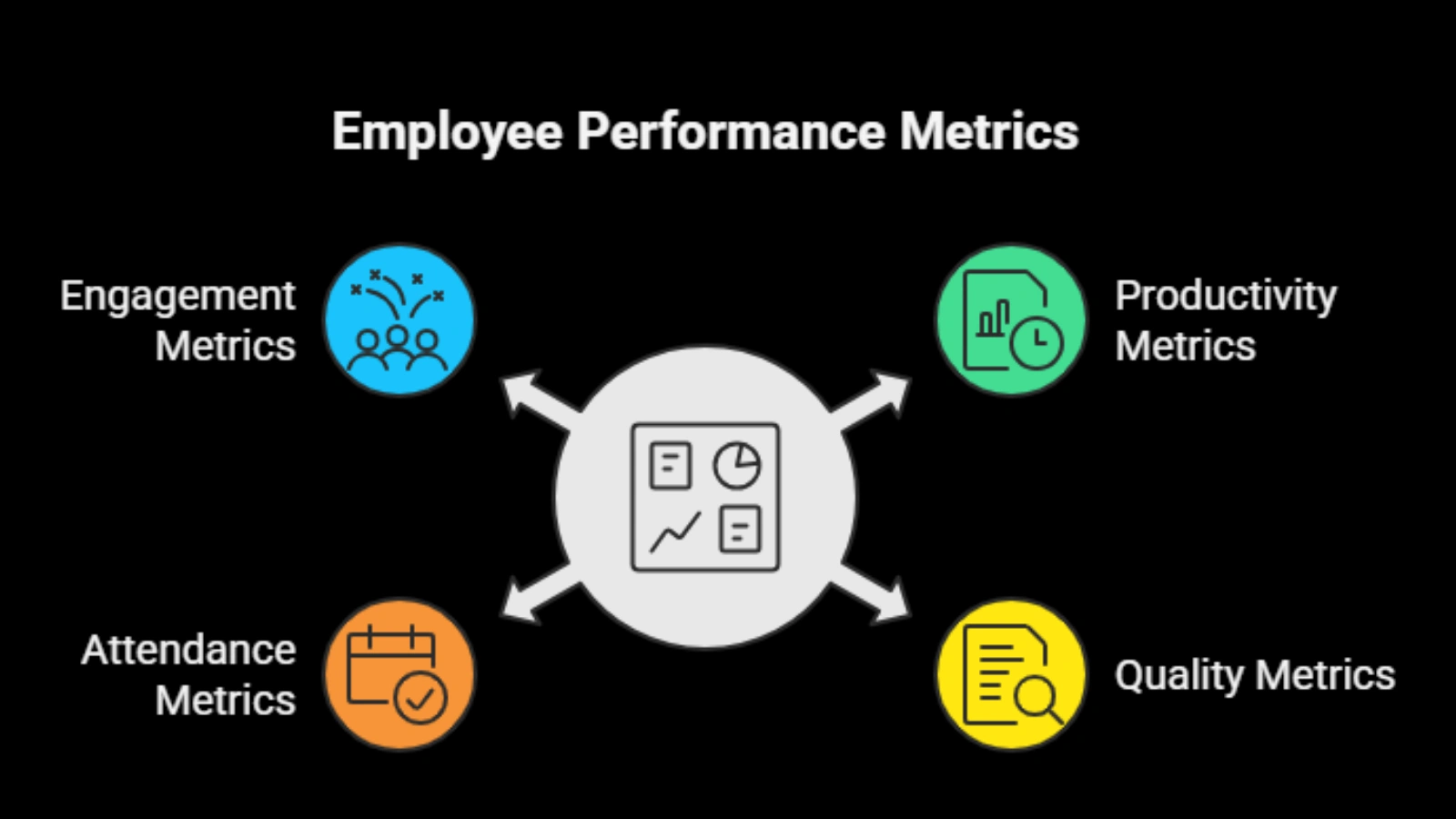
Meaningful insights come from the right metrics. Clear measurement helps leaders understand how work translates into results. Employee performance analytics focuses on indicators that reflect actual effort, output, and consistency rather than surface-level activity.
Core Metrics That Matter
- Productivity Metrics
These metrics track task completion rates, total output, and time utilization. Leaders use them to identify efficiency patterns, optimize workflows, and ensure that team efforts consistently contribute to organizational goals. - Quality Metrics
Quality indicators monitor accuracy, error frequency, and consistency of work across tasks. They highlight reliability, skill application, and adherence to standards, ensuring that output meets expected organizational benchmarks. - Attendance Metrics
Attendance data reveals punctuality, presence, and adherence to schedules. It helps managers plan workloads effectively, detect patterns affecting productivity, and maintain accountability across employees and teams. - Engagement Metrics
Engagement metrics measure participation, responsiveness, and focus. High engagement signals dedication and motivation, while low engagement indicates areas where support, recognition, or intervention may be necessary.
How These Metrics Work Together?
Employee performance analytics connects these metrics with overall business objectives. Leaders gain a complete performance view, avoid isolated numbers, and make balanced evaluations that drive fair decisions and continuous improvement across teams.
Read More!
How To Manage Remote Teams With Onboarding Best Practices?
Why Project Time Tracking Software Is Better For Productivity?
Why Businesses Depend on an Employee Performance Analytics Tool?
Manual tracking limits accuracy and consumes valuable time. Spreadsheets fail to capture real-time patterns and often introduce errors. Organizations need structured systems that deliver reliable insights.
An employee performance analytics tool centralizes workforce data. It provides dashboards, reports, and alerts that guide daily decisions. Managers gain quick access to actionable insights without manual effort.
With the right employee performance analytics tool, organizations improve consistency, reduce bias, and support scalable growth across teams.
What Defines the Best Employee Performance Analytics Tool?
Not all tools deliver the same value. The best employee performance analytics tool combines clarity, flexibility, and security.
Strong tools offer real-time dashboards that highlight trends at a glance. Automated insights guide managers toward priority areas. Secure data handling ensures compliance and trust.
The best employee performance analytics tool also adapts to business needs. It supports HR teams, managers, and leadership with role-based access and meaningful reports.
How EmpCloud Supports Smarter Decisions With Performance Analytics?
Performance analytics delivers meaningful insights only when it connects to real workforce activity. EmpCloud brings all relevant workforce data and analysis into a unified platform so leaders can act confidently on clear, real-time information. It combines HR functions, productivity tracking, attendance management, reporting, and analytics into a suite of tools that support faster and more informed decisions.
Key EmpCloud Features That Drive Better Analytics
- Real-Time Productivity Tracking
EmpMonitor tracks employee activity, task progress, and productivity trends. Leaders see performance patterns as they develop instead of after the fact, which supports proactive decision-making.
- Comprehensive HRMS Functions
EmpCloud’s HRMS centralizes attendance, leave management, policy, document handling, and employee data so that performance analytics work on accurate and complete information.
- Automated Timesheets & Attendance Insights
Automated timesheets and contactless attendance systems (including biometric verification) ensure precise time data, reducing manual errors and feeding reliable metrics into performance dashboards.
- Productivity Tracking for Smarter Decisions
EmpCloud enables continuous tracking of employee productivity through real-time data and performance insights. Managers and HR leaders can monitor work patterns, efficiency levels, and output trends, helping them identify improvement areas and make informed, data-backed decisions.
- Employee Monitoring for Workplace Visibility
EmpCloud provides comprehensive employee monitoring to give managers clear visibility into work activities and engagement levels. By tracking work behavior, time usage, and task focus, teams can ensure accountability, maintain transparency, and support consistent performance across the organization.
- Project & Task Visibility
Project management features like task assignments and progress tracking help link individual output with wider organizational goals. This adds context to performance analytic by showing where teams excel or need support.
- Alerts & Notification Engine
Proactive alerts keep leaders informed about important changes like performance dips or attendance anomalies, so decisions happen in time to make a difference.
A Unified Analytics Approach
EmpCloud is designed to give organizations clear, actionable insights into employee performance. With tools for employee monitoring, performance assessment, and real-time productivity tracking, managers can understand work patterns, identify areas for improvement, and make informed decisions with confidence.
It also provides HRMS functionalities such as attendance management, payroll, rewards, and recognition. These features complement the core performance analytic, creating a complete workforce management platform. EmpCloud not only measures performance but also supports teams in growing and succeeding.
Real-World Use Cases of Performance Analytics
Different roles use performance analytic in unique ways. HR teams analyze workforce trends to improve retention and development plans.
Managers use performance analytic to balance workloads, recognize high performers, and address challenges early. Remote and hybrid teams benefit from clear visibility into outcomes rather than assumptions.
Across industries, performance analytics supports consistent decisions that align people, processes, and goals.
How To Start Using Performance Analytics Effectively?
Successful adoption starts with clear objectives. Organizations define what success looks like before reviewing data.
Teams then select tools that align with these goals. A reliable employee performance analytics tool simplifies adoption and improves accuracy.
Training managers and employees on data interpretation ensures consistent usage. When teams act on insights, performance analytic delivers long-term value.
Common Mistakes That Limit Performance Analytics Value
Performance analytics delivers impact only when teams apply it thoughtfully. Several common mistakes prevent organizations from turning insights into meaningful action.
- Relying on numbers without context
Focusing only on raw metrics ignores role complexity, workload differences, and business conditions that influence individual performance outcomes. - Overusing monitoring instead of insight
Excessive tracking creates pressure and reduces trust, while effective performance analytic supports improvement, accountability, and professional growth. - Collecting data without follow-up actions
Gathering insights without clear next steps wastes effort and prevents performance analytics from driving measurable improvement.
The Future of HR Performance Analytics
Organizations increasingly aim to understand workforce behavior at a deeper level. Modern HR strategies require insights that go beyond historical reporting, helping leaders plan proactively for growth and productivity.
Key Trends Shaping the Future of HR Performance Analytic
- Predictive Decision-Making
Advanced analytics and predictive models allow HR teams to anticipate trends, forecast workforce needs, and act before challenges arise. - From Reporting to Strategic Planning
HR performance analytic moves beyond simple reports. Insights now guide talent investments, workforce development, and succession planning. - Integration with Employee Management Platforms
Platforms like EmpCloud centralize employee data, making it easy for HR teams to analyze performance, attendance, and engagement efficiently. - Enhanced Workforce Visibility
Continuous performance tracking provides leaders with a holistic view of team productivity, skill gaps, and potential high performers. - Data-Driven Employee Development
Insights inform personalized training, mentorship, and career growth strategies, improving engagement and long-term retention.
Why This Matters
HR performance analytic is no longer optional; it is a strategic enabler. Organizations using advanced analytics tools like EmpCloud gain actionable insights that improve decision-making, boost employee performance, and strengthen workforce planning for the future.
Final Thoughts
Strong decisions require clarity, consistency, and confidence. Performance analytic delivers these elements by turning workforce data into actionable insight.
Organizations that adopt structured analytics improve transparency, productivity, and alignment. With the right tools and approach, teams unlock smarter decisions that support sustainable success.
Performance analytics are no longer optional. It now stands as a core driver of effective leadership and organizational growth.
FAQs
- What is performance analytics, and why is it important for organizations?
Performance analytics examines employee and team data to identify trends, strengths, and gaps. It helps leaders make informed, objective decisions, improve productivity, and align workforce efforts with organizational goals. - How can HR use performance analytic to improve workforce management?
HR performance analytic allows leaders to monitor attendance, engagement, and productivity patterns. It supports fair evaluations, better talent planning, and effective workload distribution. - What features should the best employee performance analytic tool include?
The best employee performance analytic tool provides real-time dashboards, automated reports, attendance tracking, task visibility, and predictive insights that help managers take action confidently. - How does EmpCloud help organizations with performance analytic?
EmpCloud consolidates HR data, productivity metrics, attendance records, and employee performance insights into a single platform. This supports smarter decisions, fair evaluations, and scalable workforce management. - Can performance analytic improve employee productivity and engagement?
Yes. By analyzing patterns, strengths, and weaknesses, performance analytic helps managers recognize achievements, address challenges early, and foster engagement through data-driven feedback.
Quick Search Our Blogs
Type in keywords and get instant access to related blog posts.