

Performance reviews shape how employees see their growth, value, and future within an organization. When done right, they build trust and direction. When handled poorly, they create confusion and frustration. Over the years, companies have leaned on structured evaluation models to bring consistency into this process, and one method that continues to spark debate is bell curve appraisal. Some see it as a fair way to differentiate performance, while others question its relevance in modern workplaces. To understand why this approach still draws attention, it helps to explore how it works, where it fits, and why organizations are slowly rethinking its role.
In a hurry? Listen to the blog instead!
What Is The Bell Curve?
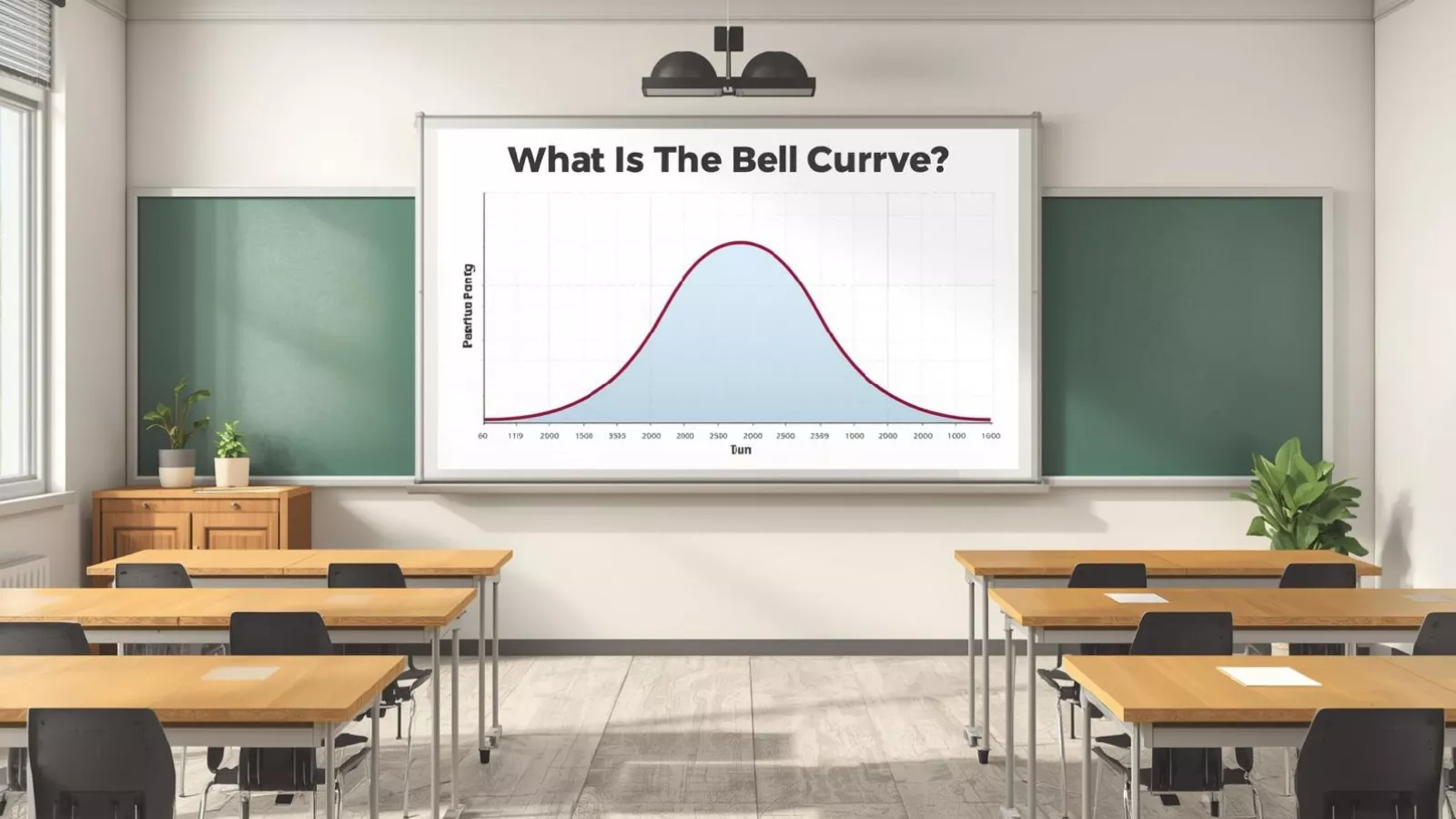 To understand performance evaluations that follow ranking patterns, it’s important to start with the basics. Many people ask, what is bell curve, and the answer lies in statistics. A bell curve is a visual representation of normal distribution where most values fall near the center, with fewer results appearing at the extremes. The curve forms a symmetrical shape, with the highest point representing the average.
In workplace terms, this statistical idea is adapted to assess employee performance. Instead of numbers, people are placed across the curve based on output, skills, and outcomes. This approach became popular because it offered structure and comparability, especially in large teams. Before diving deeper into its workplace impact, understanding the bell curve meaning helps explain why organizations believed it could bring balance to evaluations.
Bell Curve Meaning In Performance Reviews
When applied to employee assessments, the bell curve shifts from theory to practice. The bell curve meaning in HR revolves around grouping employees into performance tiers rather than evaluating everyone in isolation. The assumption is that performance naturally varies, with most employees delivering average results and fewer employees standing out at the top or bottom.
This is where bell curve appraisal becomes a defining framework. Instead of unlimited high ratings, managers must distribute scores across predefined categories. Supporters argue this prevents rating inflation, while critics believe it oversimplifies human effort. As this model gained traction, it became closely associated with formal review cycles, making it necessary to understand how it actually functions during appraisals.
How The Bell Curve Works In Performance Appraisal?
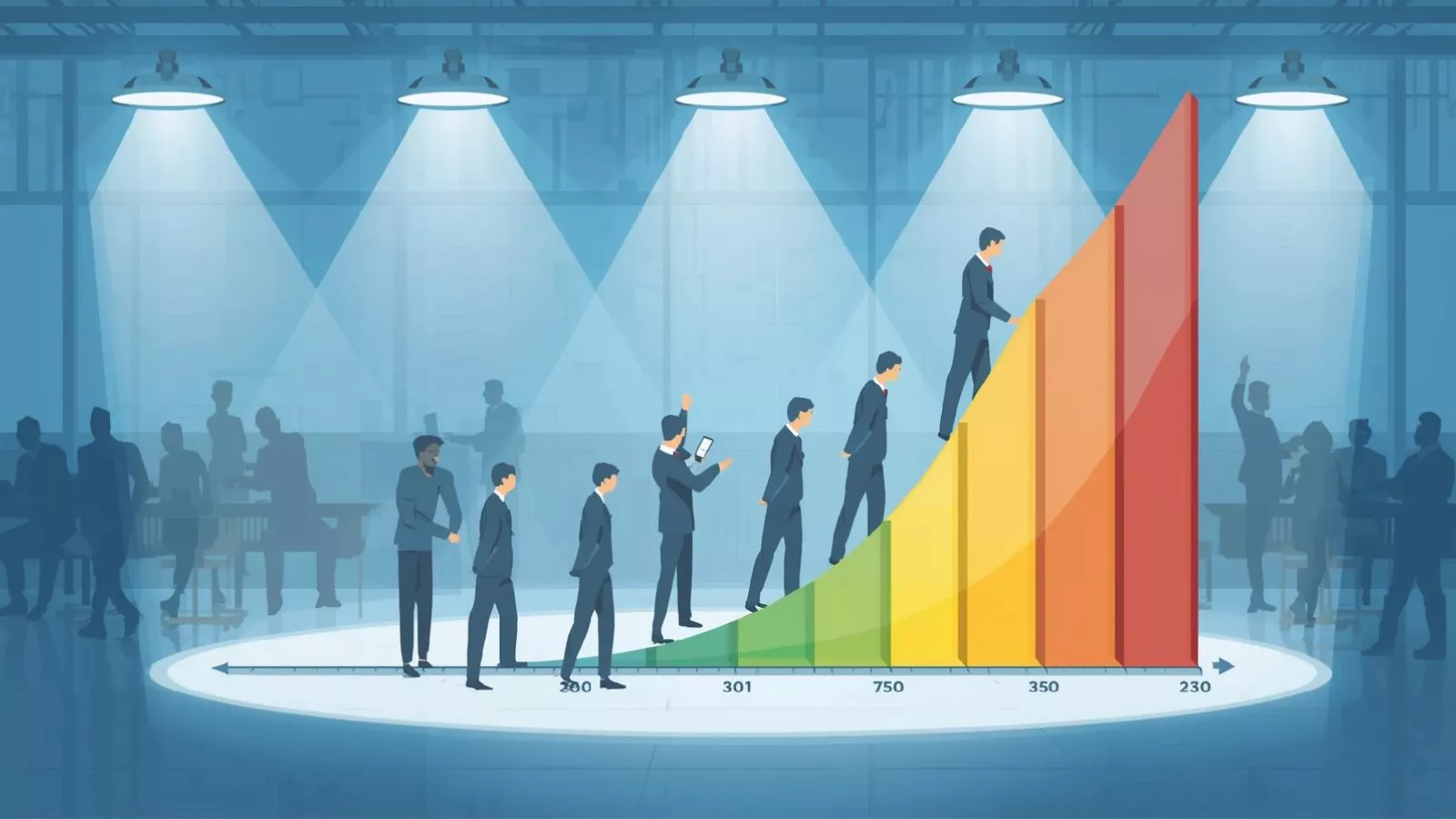 Understanding how bell curve works in performance appraisal requires looking at the evaluation process step by step. Managers begin by reviewing employee performance data, feedback, and outcomes over a fixed period. Once individual assessments are prepared, employees are placed into performance groups that mirror the curve’s structure.
This stage often involves calibration meetings where managers compare evaluations to ensure consistency across teams. The goal is not just ranking, but maintaining the curve’s shape. In this process, bell curve appraisal acts as a guiding framework rather than a standalone decision-maker. While this may sound systematic, the real impact becomes clearer when we look at how employees are categorized.
Performance Categories Under The Bell Curve
Most organizations using this approach divide employees into three broad groups: high performers, average performers, and low performers. High performers represent a small percentage and are often rewarded with bonuses, recognition, or growth opportunities. The largest group sits in the middle, delivering steady and reliable results. A smaller portion falls into the lower category, where improvement plans are usually introduced.
This structure is central to bell curve performance appraisal, as it enforces differentiation even when performance gaps are minimal. While this may help leaders make compensation decisions, it also raises questions about fairness and morale. To understand its real-world impact, it’s important to examine how employees respond to this form of evaluation.
Impact On Employee Motivation And Culture
Performance reviews influence more than just pay decisions. They shape behavior, teamwork, and trust. When rankings are introduced, employees often become more focused on comparison than collaboration. In environments driven by bell curve appraisal, individuals may prioritize personal outcomes over shared goals.
This can affect motivation in subtle ways. Some employees feel pushed to perform better, while others feel discouraged if they consistently fall in the middle despite steady contributions. Over time, this dynamic can reshape workplace culture. These effects naturally lead to deeper concerns, especially around fairness and transparency.
Challenges And Limitations Of The Bell Curve Approach
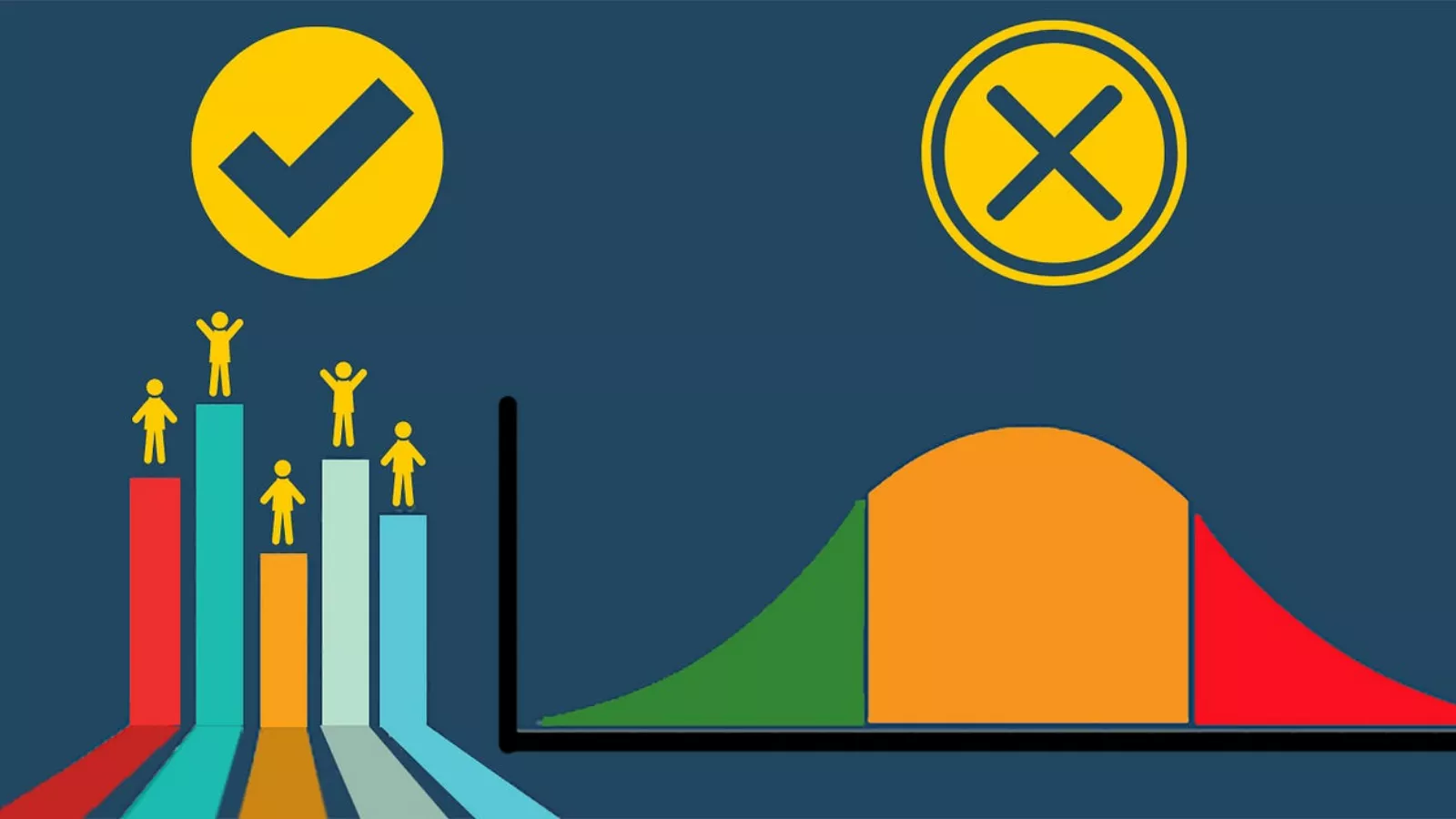 One of the most common criticisms of this system is forced distribution. Managers may feel pressured to place employees into lower categories even when overall performance is strong. This can result in biased decisions, strained relationships, and reduced trust.
Another limitation is the lack of context. External factors such as market conditions, workload changes, or team dependencies often go unaccounted for. In many cases, bell curve appraisal focuses more on relative ranking than individual growth. As organizations evolve, these challenges push leaders to question whether traditional models still serve their teams effectively.
Why Organizations Are Rethinking This Model?
Workplaces today place greater emphasis on continuous feedback, skill development, and adaptability. Static annual reviews no longer align with how teams operate. Many companies now recognize that performance is not always evenly distributed, nor should it be forced into fixed percentages.
This shift has led HR teams to reconsider models like the bell curve HR appraisal. While the structure it offers can still be useful in some settings, organizations increasingly seek flexible systems that reflect real performance trends. This change naturally opens the door to technology-driven solutions that support fairer evaluations.
The Role Of Technology In Modern Appraisals
 As performance management becomes more dynamic, digital tools play a crucial role. Manual evaluations often lack transparency and consistency, especially in growing organizations. Technology helps centralize data, track goals, and provide ongoing feedback.
This is where bell curve appraisal can be supported rather than enforced. When used alongside digital systems, it becomes easier to base decisions on real performance data instead of assumptions. At this stage, platforms designed for workforce management begin to add meaningful value to the appraisal process.
How EmpCloud Supports Smarter Performance Reviews?
 Empcloud fits naturally into this evolving approach to performance management. Instead of relying solely on rigid ranking systems, EmpCloud helps organizations build a clearer picture of employee contributions through data-driven insights. Performance records, attendance patterns, and productivity indicators are available in one place, making evaluations more grounded and transparent.
When organizations still choose to apply bell curve appraisal, EmpCloud supports the process by reducing guesswork. Managers gain access to accurate information that helps justify decisions and communicate feedback more effectively. This balance between structure and clarity makes performance discussions more constructive.
Key EmpCloud Features For Performance Management
EmpCloud offers features that simplify and strengthen appraisal workflows. Centralized employee data ensures managers evaluate performance based on consistent records. Goal tracking allows teams to align daily efforts with long-term objectives. Detailed reports provide visibility into trends, helping HR teams spot patterns early.
1. Centralized Performance Records:
EmpCloud maintains all employee performance data in one place, including attendance, productivity inputs, and historical review records. This helps managers base evaluations on consistent information rather than fragmented inputs.
2. Goal Alignment and Progress Tracking:
Performance goals can be defined, tracked, and reviewed over time. Managers gain visibility into how individual efforts contribute to broader objectives, making performance discussions more objective and focused.
3. Data-Backed Evaluation Insights:
EmpCloud provides clear reports and trends that highlight performance patterns across teams. This structured visibility supports fair differentiation during appraisal cycles, especially when organizations follow models like bell curve appraisal.
4. Manager Review and Calibration Support:
With access to standardized data, managers can compare performance across roles and teams more confidently. This reduces subjectivity during calibration discussions and supports consistency in final ratings.
5. Integrated Reward and Recognition.
EmpCloud connects performance reviews with core HR processes such as attendance tracking, employee records, and reporting. This integration reduces manual effort and ensures appraisal decisions are aligned with actual work patterns. This ensures that their rewards are based on their performance and regularity only.
For organizations conducting formal reviews, EmpCloud brings clarity and structure to performance evaluation by combining reliable data, goal tracking, and reporting into a single system, helping teams manage appraisals with greater transparency and confidence.
Read More
Master Workforce Management In 2025 Like Never Before!
Final Thoughts
No appraisal system is perfect, and each organization must choose what aligns best with its culture and goals. While the bell curve has played a significant role in shaping performance reviews, its effectiveness depends on how thoughtfully it is applied. With the right tools and mindset, companies can retain structure without losing empathy.
By combining proven frameworks with modern platforms, organizations can create appraisal processes that are fair, transparent, and focused on growth rather than comparison.
FAQs
- Can bell curve-based evaluations be used for small teams?
Yes, small teams can use bell curve appraisal, but it often requires adjustments. With fewer employees, strict percentage-based distribution may feel forced, so managers usually apply the concept more flexibly to avoid unfair comparisons. - How does the bell curve approach affect employee retention?
If applied rigidly, bell curve appraisal can increase attrition, especially among consistent performers who feel overlooked. However, when paired with transparent communication and growth plans, it can still support retention. - Is the bell curve suitable for project-based roles?
Project-based roles often rely on collaboration and shared outcomes, which makes bell curve appraisal harder to apply. In such cases, organizations may blend it with goal-based or team-level evaluations. - How often should companies review a bell curve system?
Organizations should periodically review bell curve appraisal frameworks to ensure they align with business goals, workforce size, and culture. Regular reviews help prevent outdated or misaligned evaluation practices. - Can bell curve appraisal coexist with continuous feedback models?
Yes, bell curve appraisal can coexist with continuous feedback when rankings are supported by regular check-ins. This combination helps employees understand their performance beyond just final ratings.
Quick Search Our Blogs
Type in keywords and get instant access to related blog posts.