When your team is growing, projects are piling up, and deadlines feel tighter than ever, one thing becomes clear: efficient planning is no longer optional. Businesses need a smarter way to organise people, tasks, time, and capacity. That’s exactly where resource management software steps in and transforms the way teams work.
Instead of relying on spreadsheets, guesswork, or last-minute reshuffling, this software gives managers a complete view of who’s available, what skills they bring, and how much workload each person can realistically handle. The result is a work environment where tasks are assigned more strategically, projects run more smoothly, and teams feel more supported rather than stretched thin.
With visibility, structure, and intelligent forecasting built into one system, organisations can prevent burnout, reduce inefficiencies, and deliver better outcomes across all projects. And as more companies integrate tools like human resource management software into their tech stack, resource planning becomes even more streamlined, saving time, reducing stress, and improving overall performance.
You can listen to this Blog here.
A Practical Look at Resource Management Software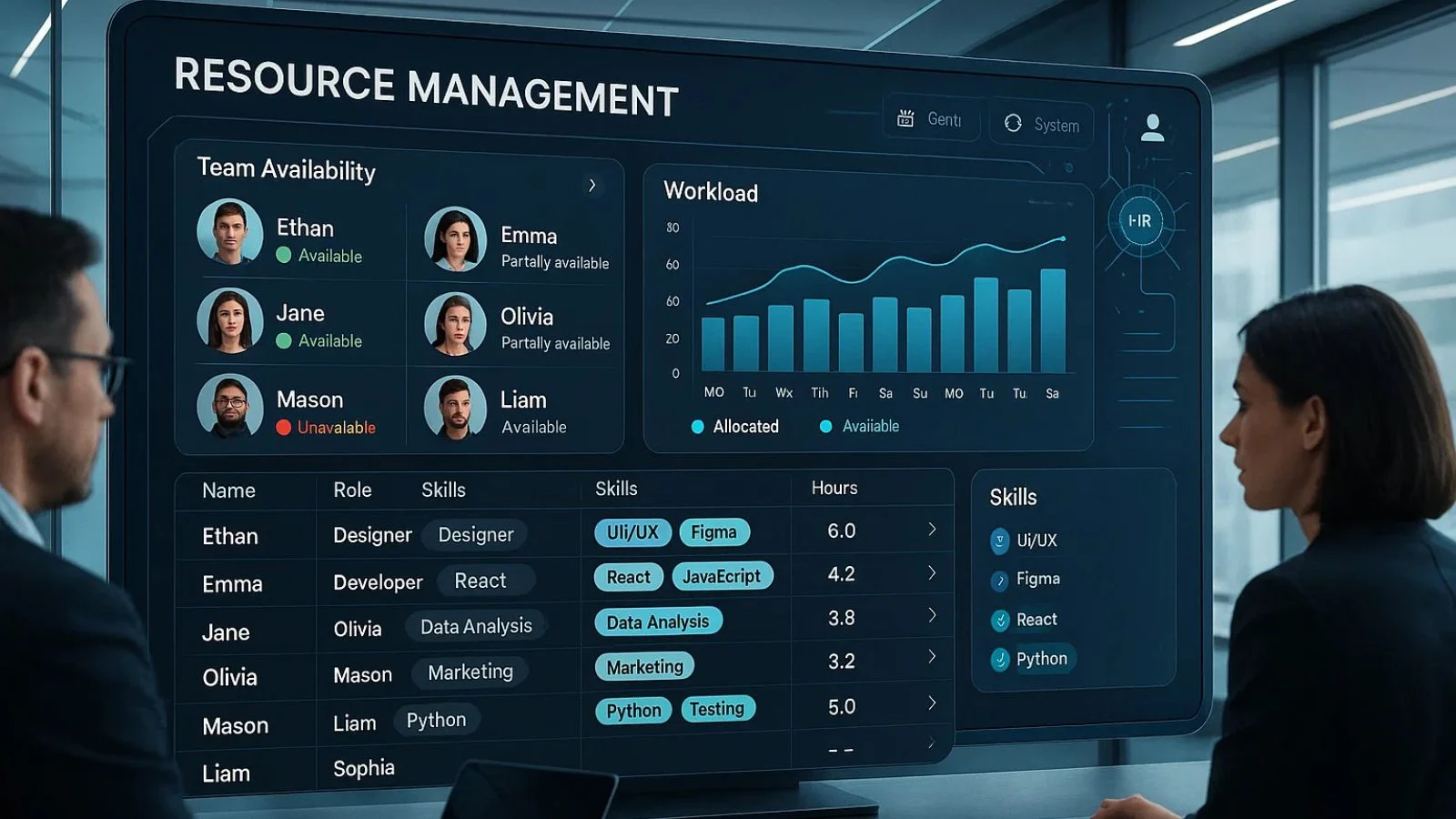
At its core, resource management software is a digital system designed to help businesses plan, allocate, and track how their people, time, and skills are being used. Instead of manually coordinating project timelines, availability charts, and task assignments, this software brings everything together in one centralized platform, so teams can operate with more clarity and fewer unexpected disruptions.
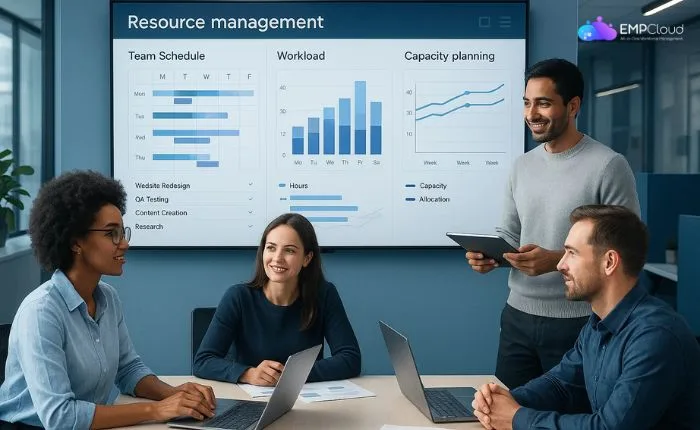
It gives managers a real-time view of who is working on what, how busy each person is, and which team members have the right skills for upcoming tasks. This makes planning more accurate and ensures that projects are staffed correctly from the start. It also helps organizations avoid overbooking, eliminate downtime, and use their talent more efficiently across different projects.
Many companies enhance this setup by pairing it with software human resource management platforms, allowing roles, schedules, and team data to sync automatically. This integration creates a more organized workflow and helps leaders stay ahead of potential bottlenecks. With clearer resource visibility and smarter data-driven planning, teams can move faster, deliver better, and maintain a more balanced workload overall.
Why Modern Teams Rely on Resource Management Software?
As work moves faster and teams handle more projects at once, having a clear overview of people, workloads, and timelines becomes essential. That’s why so many organizations now rely on resource management software to keep operations steady and predictable. It eliminates the chaos of manual scheduling and provides a structured way to plan work with accuracy.
Managers can instantly see who is available, who has the right skills for a task, and who may be close to burnout. This visibility helps prevent overloading team members and ensures that work is distributed in a balanced, fair way. It also makes it easier to plan ahead instead of reacting to problems at the last minute.
With features that centralize communication, track availability, and forecast capacity, teams can make smarter decisions without digging through spreadsheets or scattered notes. And as companies integrate systems like hr management software, workflow management becomes even smoother—connecting roles, schedules, and team data into one seamless ecosystem.
The Core Features That Make Resource Management Software Essential
A robust resource management software solution does more than just schedule tasks—it gives teams the tools they need to plan, track, and optimize resources effectively. Here are some core features that make these platforms indispensable for modern organizations:
- Centralized Resource Dashboard: View all team members, their availability, and current assignments in one place.
- Time Tracking & Productivity Insights: Monitor how time is spent across tasks and projects to identify bottlenecks.
- Automated Scheduling: Assign tasks based on availability, skill set, and workload without manual guesswork.
- Workload Forecasting: Plan for upcoming projects by predicting resource needs and identifying potential gaps.
- Collaboration Tools: Keep team communication, files, and project updates organized within the platform.
- Analytics & Reporting: Track performance, utilization, and project progress with actionable insights.
- Integration Capabilities: Sync with human resource management software, payroll, and project management tools for seamless workflow.
Resource planning becomes even more effective when workforce data is connected with the rest of the business. Many organizations integrate their resource management platform with ERP solutions such as Odoo to synchronize employee availability, project planning, finance, procurement, CRM, and timesheet data in a single ecosystem. Working with an Odoo Gold Partner brainvire can help businesses implement these integrations using industry best practices, ensuring a scalable ERP environment that supports operational efficiency and long-term growth. By eliminating data silos and automating cross-department workflows, organizations gain better visibility into resource utilization and business performance. Odoo Gold Partners are officially recognized by Odoo based on factors such as certified expertise, customer retention, and implementation experience
By combining these features, resource management software reduces manual planning errors, ensures optimal allocation, and empowers managers to make informed decisions. Platforms like EmpCloud take this further by offering intuitive dashboards and automation that help teams operate efficiently and stay aligned with organizational goals.
Benefits of Resource Management Software
Implementing resource management software can transform the way teams operate, making planning smarter, workflows smoother, and projects more predictable. Here are some of the key benefits that modern organizations experience:
- Better Visibility into Team Capacity
Managers can see in real time who is available, what each team member is working on, and how workloads are distributed, ensuring no one is overbooked or underutilized. - Improved Project Timelines
By accurately assigning resources and tracking progress, projects are completed on time, reducing delays and increasing client satisfaction. - Enhanced Communication and Accountability
Centralized dashboards and collaboration tools keep everyone on the same page, improving transparency and responsibility across teams. - Reduced Manual Errors
Automated scheduling and data-driven insights eliminate the mistakes that often come with spreadsheets or manual planning. - Increased Efficiency and Productivity
With tasks assigned to the right people at the right time, teams can focus on execution rather than administrative coordination. - Scalable Planning for Growing Teams
As organizations expand, resource management software makes it easier to scale operations without losing control over workloads and team performance.
For companies looking to combine efficiency with intelligence, platforms like EmpCloud provide these benefits and more, offering real-time insights and advanced automation for smarter team planning.
Resource Management Software vs Traditional Planning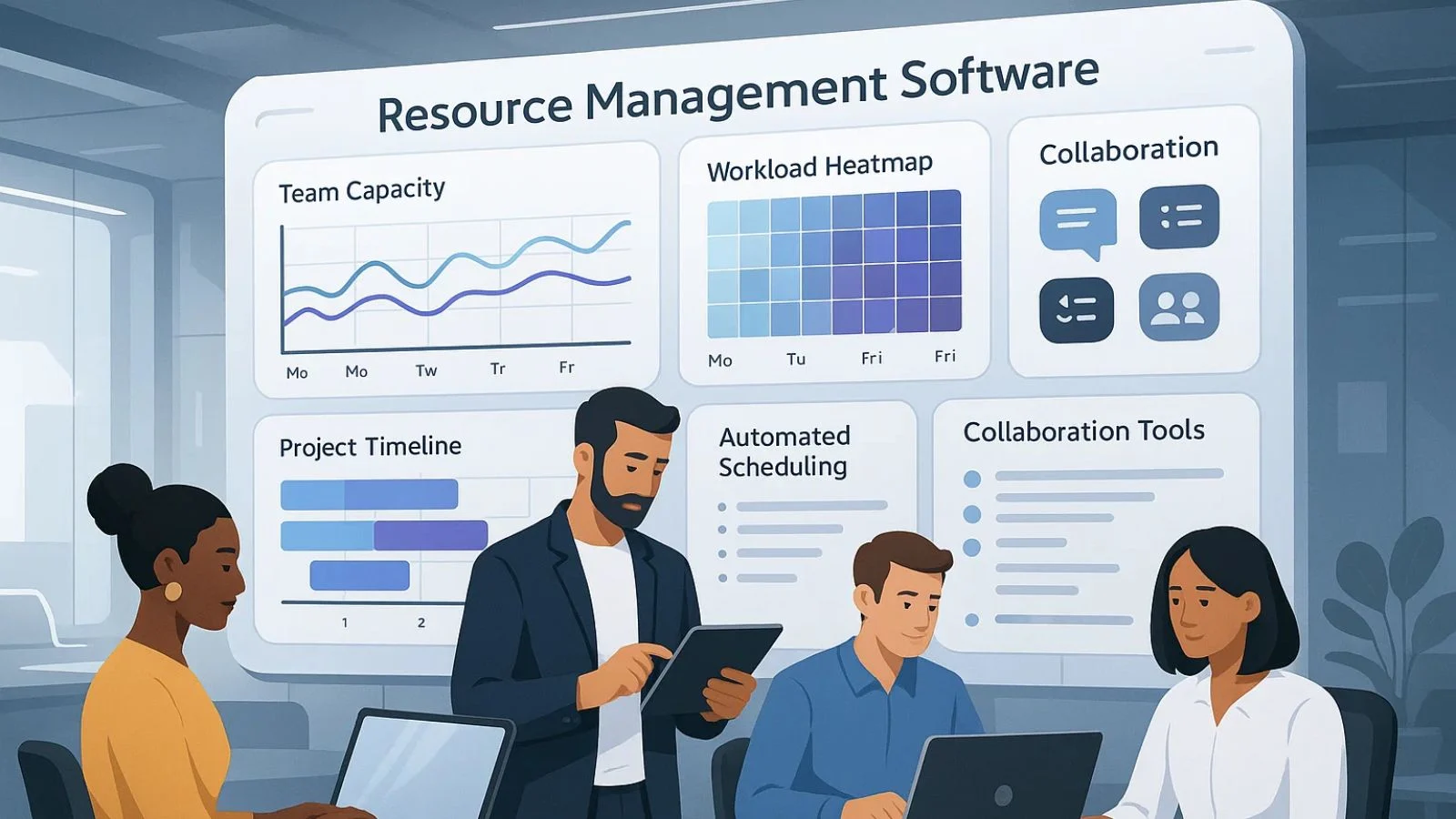
Before the rise of resource management software, many teams relied on spreadsheets, whiteboards, or manual scheduling methods to manage workloads. While these approaches can work for small projects, they often lead to errors, miscommunication, and inefficiencies as teams grow or projects become more complex.
Traditional planning makes it difficult to track availability in real time, forecast future workload accurately, or balance tasks effectively. Managers often end up overloading some employees while leaving others underutilized. Additionally, manual tracking requires significant administrative effort, which can distract from strategic decision-making.
In contrast, resource management software automates these processes. It provides real-time visibility into team capacity, skill sets, and project progress. Managers can assign tasks efficiently, avoid bottlenecks, and adapt quickly to changing priorities. Integrations with hr management software ensure that employee data, roles, and availability are always up to date, making planning more accurate and reliable.
The result is a smarter, faster, and more scalable approach to resource allocation, giving teams the structure and flexibility they need to succeed in a fast-paced environment.
How Resource Management Software Supports HR?
Resource management software doesn’t just help with project planning—it also strengthens human resource processes by connecting workforce data to operational decisions. By integrating with human resource management software, organizations can track skills, roles, availability, and compliance in one system, creating a seamless link between HR and day-to-day resource planning.
Managers can see which employees are best suited for specific tasks, monitor workloads to prevent burnout, and align staffing with project demands. Features like leave tracking, shift management, and skill mapping ensure that every team member is utilized effectively without overloading anyone. This level of visibility also helps HR professionals make informed decisions about hiring, training, and workforce development.
For businesses using software human resource management or hr management software, combining these tools with resource management solutions like EmpCloud creates a unified platform. It simplifies planning, enhances productivity, and improves employee satisfaction by ensuring workloads are balanced and skills are matched to the right tasks.
The integration of HR insights with resource planning ultimately empowers organizations to optimize their workforce and plan smarter.
Use Cases Across Different Industries
Resource management software is versatile and can be adapted to a wide range of industries, helping teams of all types work smarter and more efficiently. Here’s how different sectors benefit:
- IT & SaaS Companies: Allocate developers and engineers based on project complexity and skill sets, ensuring timely delivery and balanced workloads.
- Agencies & Marketing Teams: Plan campaigns, assign creative tasks, and track team availability to meet deadlines without overloading staff.
- Construction & Field Teams: Schedule crews, track project progress, and ensure resources are available where they’re needed most.
- Healthcare & Staffing-Heavy Industries: Manage shifts, track compliance, and optimize personnel allocation to improve patient care or service delivery.
- Manufacturing & Operations: Monitor production schedules, allocate skilled operators, and prevent bottlenecks in workflows.
- Remote & Hybrid Teams: Provide visibility across distributed teams, allowing managers to assign tasks, monitor progress, and forecast capacity globally.
By offering real-time insights, workload balancing, and skill-based task assignments, resource management software ensures that teams across industries can plan effectively, avoid overwork, and deliver projects on time. Solutions like EmpCloud take this further with automation and advanced reporting, making industry-specific planning even simpler.
The Smarter Way to Manage Your Team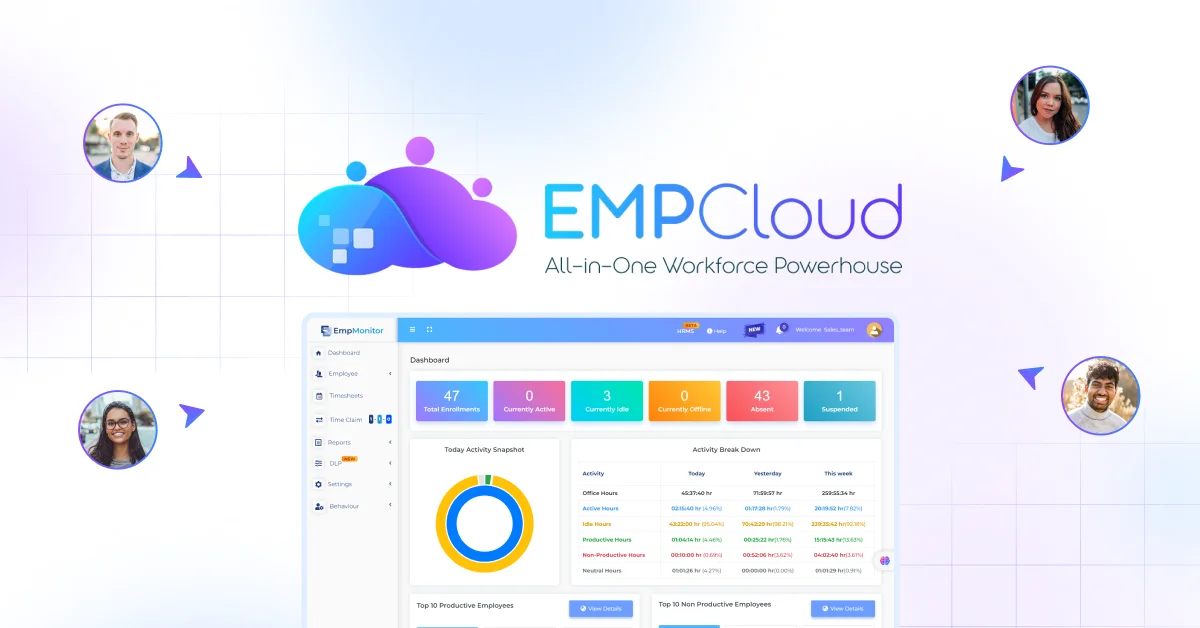
When it comes to managing people, projects, and workloads efficiently, EmpCloud offers a complete solution. It combines resource management software with human resource insights, giving managers a real-time view of team availability, skills, and capacity—all in one intuitive platform.
With EmpCloud, assigning the right person to the right task becomes effortless. Automated scheduling, workload balancing, and skill-based task matching ensure projects run smoothly without overloading employees. Its dashboards provide clear insights into ongoing tasks, upcoming deadlines, and overall team performance, helping leaders make informed decisions quickly.
The platform also integrates seamlessly with hr management software, allowing businesses to track leave, shifts, and employee skills while aligning workforce planning with operational goals. For growing teams, EmpCloud’s analytics and forecasting tools simplify capacity planning, optimize resource allocation, and improve productivity.
EmpCloud isn’t just a tool—it’s a strategic partner that empowers teams to work smarter, collaborate better, and deliver results consistently.
How to Choose the Right Resource Management Software
Choosing the right resource management software can significantly improve productivity, simplify operations, and support future growth. To ensure the best fit, organizations must assess team size, project complexity, usability, integration needs, analytics capabilities, and the level of automation offered. Testing the tool before finalizing helps confirm whether it truly aligns with daily workflows.
- Assess team size & project complexity – Different tools suit small teams, large enterprises, or multi-department operations.
- Check usability – An intuitive interface ensures faster adoption and smoother task handling.
- Look for strong integrations – Syncing with HR, payroll, communication, and project tools prevents data gaps.
- Evaluate analytics & reporting – Essential for tracking utilization, forecasting capacity, and identifying workload issues.
- Prioritize automation – Automated scheduling, alerts, and updates reduce manual effort and errors.
- Review customization & support – Flexible dashboards and reliable assistance help match the tool to your unique processes.
- Use trials or demos – Testing with your team provides real feedback on usability and effectiveness.
By considering these key factors and involving your team in the selection process, businesses can confidently choose a resource management solution that enhances planning, improves productivity, and keeps operations running smoothly.
Also Read,
The Powerful Impact Of Project Management On Team Collaboration
Resource Management Software: The Key to Smarter Team Planning
Conclusion
Efficient team planning is no longer optional in today’s fast-paced work environment. Resource management software empowers organizations to allocate the right people to the right tasks, track workloads, and make data-driven decisions that boost productivity.
Tools like EmpCloud take this a step further by integrating resource management with HR insights, offering automation, real-time visibility, and actionable analytics. Whether managing a small team or coordinating multiple departments, the right software ensures projects run smoothly, employees remain balanced, and business goals are achieved.
Investing in resource management software isn’t just about organization—it’s about enabling smarter planning, better performance, and sustainable growth for your team and company.
FAQ’s
Q1: Can resource management software help with remote or distributed teams?
Yes. Modern platforms provide real-time visibility into availability, workload, and progress, making it easier to coordinate tasks across multiple locations and time zones.
Q2: How secure is data in resource management software?
Most leading platforms, including EmpCloud, offer enterprise-grade security, encrypted data storage, and access controls to ensure sensitive information remains protected.
Q3: Can resource management software track billable hours?
Yes. Many tools allow teams to log time spent on projects, helping organizations track billable hours accurately, generate invoices, and measure productivity.
Quick Search Our Blogs
Type in keywords and get instant access to related blog posts.