The digital world moves faster than ever, and teams often struggle not because they lack talent but because they lack structured systems. As organizations grow, projects multiply, customer expectations rise, and employees juggle more responsibilities than before. Without the right tools, even the strongest teams can lose efficiency. Among all modern solutions available, resource management software stands out as a central pillar that helps businesses streamline workloads, optimize talent, and boost productivity.
Companies across every industry now depend on resource management software to plan more effectively, allocate skills with precision, prevent burnout, and maintain complete operational transparency. Whether you’re running a startup, managing a mid-sized company, or leading a large enterprise, choosing the right platform can transform the way you manage teams and execute projects.
In a hurry? Listen to the blog instead!
Why Do Businesses Need Smarter Resource Planning Today?

Resource planning was once a simple checklist, assigning people to tasks, and ensuring deadlines were met. But business landscapes have changed. Teams becoming hybrid, demand becoming unpredictable, and workflows becoming more complex make traditional tools ineffective.
Modern organizations face challenges such as
- Scattered project schedules
- Misallocation of skills
- Limited visibility into team capacity
- Manual tracking errors
- Inefficient workload distribution
- Difficulty forecasting demand
This is where resource management software adds unmatched clarity. It gives decision-makers a real-time understanding of what resources they have, what skills are available, and how efficiently these resources are being utilized.
When teams adopt the right tools, they shift from reactive to proactive management. Rather than fixing issues after they occur, leaders can anticipate them and adjust strategies early.
Key Features Every Organization Should Look For
Before selecting any platform, make sure it offers capabilities that genuinely enhance team performance and operational clarity. A modern solution should seamlessly support project management, ensuring tasks, timelines, and resources are aligned for optimal outcomes. Below are the core features that define a strong and future-ready resource management system:
1. Real-Time Visibility:
Leaders need instant insights into who is available, who is overloaded, and how projects are progressing. A good resource management tool provides real-time dashboards that show team utilization, project milestones, bottlenecks, and upcoming deadlines.
This visibility helps managers make faster, more confident decisions and prevents unexpected delays.
2. Skill-Based Allocation:
Random task assignment slows productivity. With skill-based allocation, managers can match employees with tasks that align with their strengths and experience. This not only ensures high-quality output but also boosts employee engagement because people work on what they’re best at.
A reliable resource management system simplifies skill mapping, making expert-based task distribution effortless.
3. Capacity Forecasting:
Every organization must prepare for future workload demands. Capacity forecasting tools help predict resource needs weeks or months ahead by analyzing current assignments, project pipelines, and team availability.
This prevents understaffing, overstaffing, and the last-minute hiring rush, allowing companies to plan strategically.
4. Automated Scheduling:
Manual scheduling is time-consuming and prone to errors. Automated scheduling tools eliminate conflicts, duplicate assignments, and workload mismatches by intelligently generating schedules based on availability, skills, and project priority. This ensures smoother coordination and reduces administrative effort for managers.
5. Workload Balancing:
Overworked teams burn out quickly, while underutilized teams lead to inefficiency. Resource management software identifies workload imbalance instantly and redistributes responsibilities to maintain fair utilization. This balanced workflow improves team morale, reduces burnout, and enhances long-term productivity
6. Time Tracking & Reporting:
Accurate time tracking helps organizations understand how employee hours are spent across projects. Advanced reporting tools provide insights into performance trends, task durations, productivity gaps, and resource utilization.
These reports support data-driven decision-making and help improve future planning.
Also Read:
The Powerful Impact Of Project Management On Team Collaboration
How Resource Management Software Enhances Productivity?

The heart of any organization is its people. Their skills, time, and output determine the overall performance of the company. Proper planning not only improves productivity but also boosts employee satisfaction.
Using human resource management software, businesses can better match the right talent with the right tasks, reducing unnecessary delays and preventing team overload. Additionally, automation plays a major role.
These tools handle routine activities like schedule adjustments, timesheet updates, and project capacity planning, freeing managers to focus on strategic decisions instead of repetitive tasks.
As companies continue to scale, the need for smarter, more unified solutions becomes unavoidable. This is why many organizations turn to workforce management solutions like EmpCloud, which bring multiple workforce functions together under one ecosystem.
EmpCloud simplifies everything from onboarding to performance tracking, giving managers real-time visibility into time logs, geo-locations, project progress, and productivity data. With a complete view of how work is being done, managers can plan better, allocate resources more effectively, and make informed decisions with confidence.
By reducing manual dependencies and improving accuracy, it naturally strengthens the overall effectiveness of resource planning and ensures teams are utilized in the most efficient way possible.
Impact Of Resource Management Software On Team Collaboration
Teams collaborate better when they have clarity. Clarity about responsibilities, deadlines, expectations, and workflows drives efficiency.
One major advantage of adopting resource management software is the ability to centralize communication. When all updates, schedules, and project details remain in one place, misunderstandings decrease.
Employees no longer need to jump between spreadsheets, emails, and messaging apps. With a unified platform, they can collaborate seamlessly and access all project information in one place.
How Can Resource Management Software Improve Managerial Decisions?
Making effective managerial decisions requires more than intuition, it needs accurate data. Resource management software collects critical metrics such as team performance, skill availability, project timelines, and time estimates.
By analyzing this data, managers can quickly identify bottlenecks, underutilized resources, and areas that need improvement, enabling more informed and strategic choices.
With these insights, leaders can shift from reactive problem-solving to proactive planning, ensuring that every project has the right people with the right skills at the right time. Real-time analytics also help track progress, monitor productivity trends, and forecast future resource needs, giving managers the confidence to make decisions backed by evidence rather than guesswork.
Key Benefits in Brief:
- Identify performance gaps quickly across teams and projects
- Forecast resource needs to prevent over- or under-staffing
- Optimize workforce allocation using real data
- Monitor productivity trends to improve efficiency
- Support strategic planning for upcoming projects
Benefits That Make These Tools Worth The Investment
Adopting a dedicated system creates long-term benefits that influence every part of the business.
- Better Project Execution: When the right people handle the right tasks, projects move faster and produce better outcomes.
- Reduced Operational Costs: Optimized resource utilization eliminates unnecessary hiring and avoids paying for underused talent.
- Improved Employee Experience: Employees thrive when their workload is manageable and aligned with their strengths.
- Higher Client Satisfaction: Delivering quality work on time builds trust and strengthens business relationships.
- Scalable Operations: Businesses scale confidently because resource management software adjusts to growing demands.
Moreover, organizations that adopt integrated workforce tools experience fewer workflow roadblocks and better coordination across project management teams.
Which Industries Benefit The Most from Resource Management Software?

While resource management software is useful for any team-based environment, certain industries gain the most value due to their complex workflows, multiple projects, and need for efficient resource allocation.
- IT & Software Development: Helps track developer availability, manage sprints, and ensure timely project delivery.
- Marketing & Creative Agencies: Ensures designers, writers, and strategists are assigned tasks according to their skills, improving creative output.
- Construction: Optimizes labor allocation, equipment usage, and project timelines across multiple sites.
- Healthcare: Balances staff schedules, patient appointments, and compliance tracking for smoother operations.
- Finance: Manages specialized teams for audits, reporting, and client deliverables efficiently.
- Manufacturing: Tracks production teams, shifts, and machinery allocation to maximize efficiency.
- Education: Coordinates faculty, administrative staff, and classroom resources effectively.
For all these sectors, resource management software plays a central role in workforce alignment, operational efficiency, and improved productivity. Teams working across multiple locations or remote setups also benefit from enhanced visibility, real-time updates, and centralized data, making resource planning more accurate and reliable.
Also Read:
How Do Project Management Statistics Impact Your Bottom Line?
How Can Resource Management Software Integrate with Other Business Systems?
The most effective resource management software doesn’t work in isolation, it connects seamlessly with other essential business systems. Integration with CRMs, project management tools, HR platforms, communication apps, and accounting software ensures that data flows smoothly across departments.
Some of the key advantages include:
- Seamless data flow between departments and systems
- Improved coordination across projects and teams
- Reduced manual work and human error
When properly integrated, managers gain a complete view of projects, employee workloads, and client interactions in real time. Teams can make faster decisions, track performance across systems, and respond to changing priorities without delays. The result is a synchronized business ecosystem where every tool works together to support productivity and strategic planning.
Additional benefits include:
- Real-time visibility into workforce and project status
- Faster, informed decision-making through integrated insights
Why Is Empcloud A Powerful Addition To Your Resource Management Strategy?
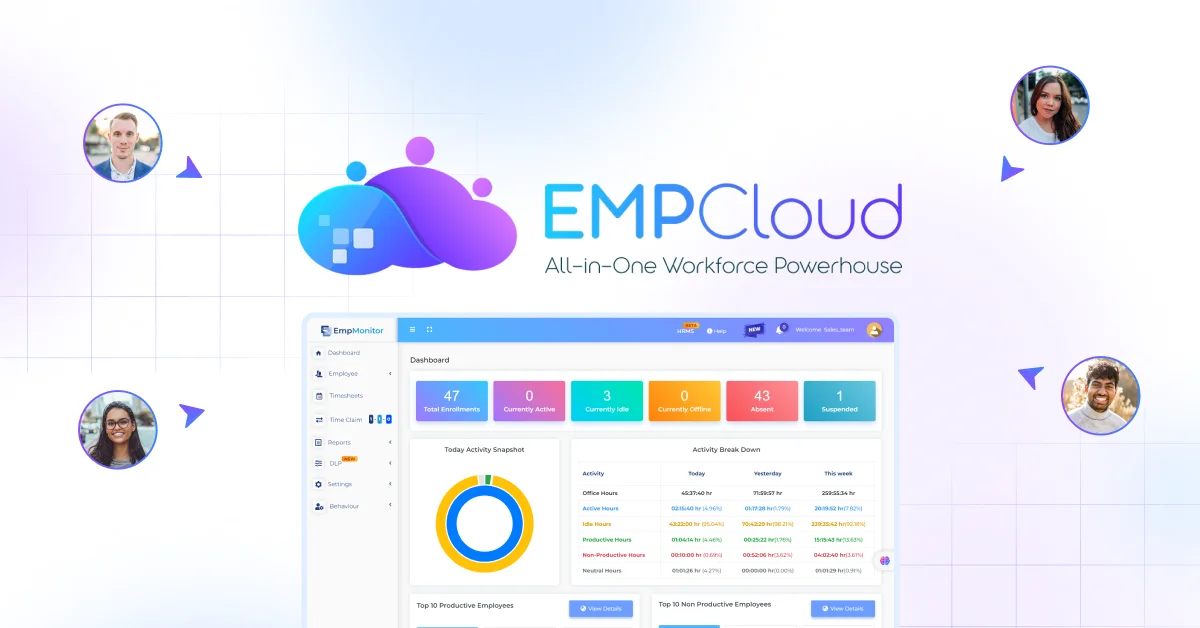
Selecting the right digital ecosystem is essential when your goal is to optimize workforce capacity and streamline performance. Empcloud stands out as an advanced, all-in-one workforce management platform designed to support managers and HR teams with complete precision.
With its comprehensive suite of features, Empcloud brings together powerful tools that seamlessly complement and elevate the effectiveness of modern resource planning.
1. Manager-Centric Solutions:
Empcloud helps managers lead smarter with complete control over workforce operations.
Its key features include:
- Time Tracking for accurate monitoring
- Geo-Location Tracking to manage field teams
- Task & Opportunity Management for real-time visibility
- Client Management to strengthen service quality
- Productivity Tracking for actionable insights
- Project Management that enhances scheduling precision
- Data Loss Prevention to secure organizational data
- Detailed Report Generation for better decisions
These tools help teams execute projects faster, smoother, and with improved accuracy.
2. HR-Centric Workforce Innovation:
Empcloud also integrates a complete HR system designed to enhance recruiting, onboarding, and compliance.
Core HR features include:
- Face Recognition Attendance System
- Leave & Attendance Tracking
- Automated Timesheets
- Policy & Document Management
- Employee Access History
- Employee Request Management
- Exit Management
- Payroll Automation
These capabilities reduce manual tasks while creating a frictionless employee experience.
3. Centralized Dashboard For Smarter Planning
Empcloud consolidates all workforce intelligence in one place, giving leaders a unified view of:
- Timesheets
- Attendance
- Live location tracking
- Productivity
- Task allocations
4. Integrated Project Management for Smarter Resource Allocation
EmpCloud’s built-in project management tools help managers plan and distribute work efficiently while maintaining balanced workloads.
Core project management features include:
- Task allocation based on employee availability and workload.
- Project-wise planning and tracking for better execution control.
- Gantt charts and Kanban boards for real-time project visibility and status tracking.
- Resource utilization insights to prevent overburdening teams.
- Workload balancing to ensure fair and efficient use of human resources.
This empowers teams to make data-driven decisions and improves how organizations manage their workforce end to end.
How To Choose The Right Solution For Your Business?

Selecting the right resource management software is a critical decision that can significantly impact team productivity and organizational efficiency. The ideal solution should align with your current needs while supporting future growth. Here are some key factors to consider:
Team Size:
Ensure the tool can support the number of employees you manage today and scale as your team grows.
Workflow Complexity:
Choose software that can handle the complexity of your processes, whether you have simple task assignments or multi-step projects across departments.
Skill Diversity:
Look for features that allow you to map and allocate skills effectively, ensuring the right employees are assigned to the right tasks.
Integration Needs:
The platform should integrate seamlessly with existing tools such as HR systems, CRMs, project management apps, and communication platforms.
Reporting Requirements:
Check if the software provides customizable reports and analytics that help you monitor performance and make informed decisions.
Budget:
Consider both upfront costs and long-term pricing to ensure the solution fits within your financial plan without compromising functionality.
Scalability:
Choose a solution that grows with your business, handling increased projects, teams, and data without losing efficiency.
Carefully evaluating these factors will help you select a resource management solution that not only meets current demands but also supports long-term growth, smooth operations, and strategic planning.
Conclusion
Resource planning remains the backbone of every successful organization. Without structured systems, teams risk burnout, project delays, and inefficiencies. That’s why adopting the right resource management software becomes essential for maintaining balance and productivity.
Companies that integrate modern workforce tools experience stronger collaboration, better workflows, reduced costs, and improved performance. To make this process even easier, platforms like Empcloud offer an all-in-one solution that streamlines workforce management, automates routine tasks, and provides real-time insights, helping teams stay productive and focused on what matters most.
As industries evolve, resource planning will continue to shape the future of work, helping teams perform better and deliver faster.
FAQs
1. What is the difference between resource management software and project management software?
Resource management software focuses on allocating people, time, and skills efficiently across multiple tasks or projects, ensuring optimal utilization. Project management software, on the other hand, organizes project timelines, deliverables, and workflows. While both tools complement each other, the former centers on who does the work, whereas the latter focuses on how the work gets done.
2. Can resource management software help reduce employee burnout?
Yes. By offering visibility into workloads, availability, and capacity, resource management software helps managers identify overloaded employees and rebalance tasks before burnout occurs. With better planning and realistic task distribution, employees work in healthier, more sustainable conditions.
3. What factors should small businesses consider before adopting resource management software?
Small businesses should evaluate ease of use, pricing, onboarding time, and scalability. They should look for software that grows with the business, integrates well with existing tools, automates routine tasks, and provides simple dashboards without overwhelming users.
Quick Search Our Blogs
Type in keywords and get instant access to related blog posts.